

 By
By Beginner’s guide to cellulite strength training: why it beats cardio for smoother legs
If you have been doing endless cardio and still staring at the same dimpling on your thighs and glutes, you are not alone. That frustration is real.
The hard truth is that cellulite is extremely common and harmless. It is influenced by skin structure, fat distribution, hormones, genetics, and connective tissue, which means the answer is usually not “do more cardio.”
At Way Fit Hub, we hear this story regularly. People train hard, burn calories consistently, and still feel like the texture and tone of their lower body has barely shifted. The missing piece, in most of those cases, is targeted strength training. This guide explains exactly why cellulite strength training produces better visible results than cardio alone, which exercises work best, how to structure a weekly plan, and what to realistically expect over time.
What You Will Learn in This Article:
- What cellulite actually is and why it appears
- Why cardio alone rarely changes its appearance
- How strength training addresses the root causes
- The six best exercises for smoother, firmer legs
- A beginner-friendly weekly workout plan
- Nutrition habits that support visible progress
- Realistic timelines and frequently asked questions
What Is Cellulite?
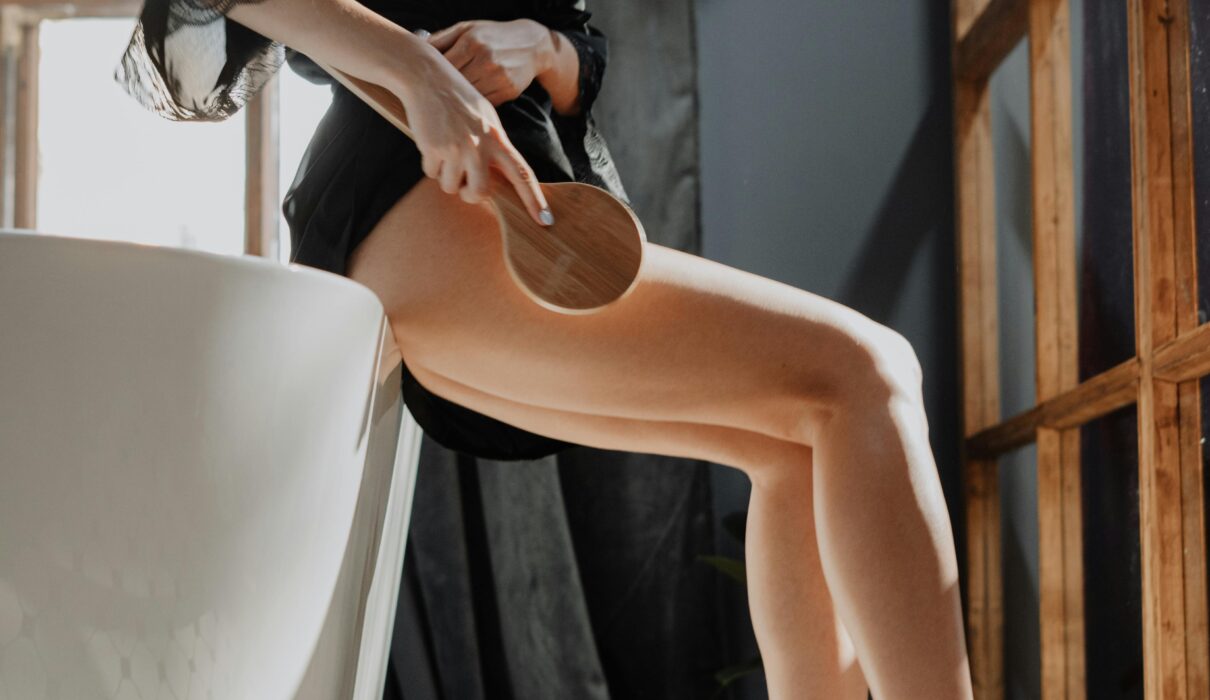
Cellulite is the dimpled, uneven skin texture that commonly appears on the thighs, glutes, hips, and sometimes the abdomen. It affects the majority of women regardless of body weight or fitness level, and it is not a sign of poor health or being out of shape.
The appearance of cellulite comes from the structure of connective tissue beneath the skin. Fat cells push upward against the skin while fibrous bands pull downward, creating the characteristic bumpy or dimpled surface. Several factors influence how pronounced it looks, including genetics, hormonal changes, skin elasticity, circulation, and the ratio of fat to muscle mass in the affected areas.
This last factor, the ratio of fat to lean muscle, is where strength training becomes directly relevant. You cannot change your genetics or restructure connective tissue overnight, but you can meaningfully change how much lean muscle sits beneath the skin in your thighs and glutes. More muscle under the skin creates a firmer, smoother surface appearance that cardio exercise alone simply cannot replicate.
| Why Cardio Alone Often Fails for Cellulite
Cardio exercise burns calories, supports cardiovascular health, and contributes to overall fat loss when paired with appropriate nutrition. None of that is in question. The issue is specifically about what cardio does not do.
It does not build lean muscle. Extended cardio sessions, particularly long-distance running or cycling at steady pace, primarily draw on the aerobic energy system without placing the kind of mechanical load on muscle tissue that drives muscle growth and toning.
It can contribute to muscle loss. When cardio volume is high and calorie intake is not carefully managed, the body can begin breaking down muscle tissue for fuel. This leads to a softer overall body composition even at a lower body weight. The scale may go down, but the firmness and shape people are working toward does not follow.
It does not address the structure beneath the skin. Cardio reduces overall body fat over time, which can slightly reduce the volume pushing against the skin. But without building muscle to replace that space, the skin appearance may remain loose and uneven rather than smooth and defined.
Strength training takes a different approach. Instead of primarily burning what is already there, it actively builds something in its place.

| Why Cellulite Strength Training Works Better
Targeted resistance training addresses cellulite from multiple directions simultaneously.
It builds lean muscle in the areas that matter most. Exercises that target the glutes, hamstrings, quadriceps, and inner thighs directly add muscle volume beneath the skin in the areas most commonly affected by cellulite. As that muscle develops, the surface of the skin appears smoother and more even.
It improves body composition more effectively. Resistance training increases muscle mass, and muscle tissue burns more calories at rest than fat tissue. This means regular strength training gradually raises the baseline metabolic rate, making it easier to reduce body fat over time without extreme cardio volume.
It firms and tightens the appearance of the legs and glutes. A well-developed glute or thigh muscle visibly fills the area with firm tissue, reducing the contrast between the connective tissue pulling down and fat pushing up. This is the structural change that actually improves how cellulite looks.
It improves circulation to the lower body. Heavy lower body training drives significant blood flow to the legs and glutes. Improved circulation supports skin health and reduces the fluid retention that can make cellulite appear worse.
It produces lasting physical change. Muscle gained through consistent resistance training stays with you far longer than the temporary calorie burn from a single cardio session. The work compounds over weeks and months into visible, structural improvement.
| Best Cellulite Strength Training Exercises
The following six exercises are among the most effective for directly targeting the muscle groups beneath the areas most commonly affected by cellulite.
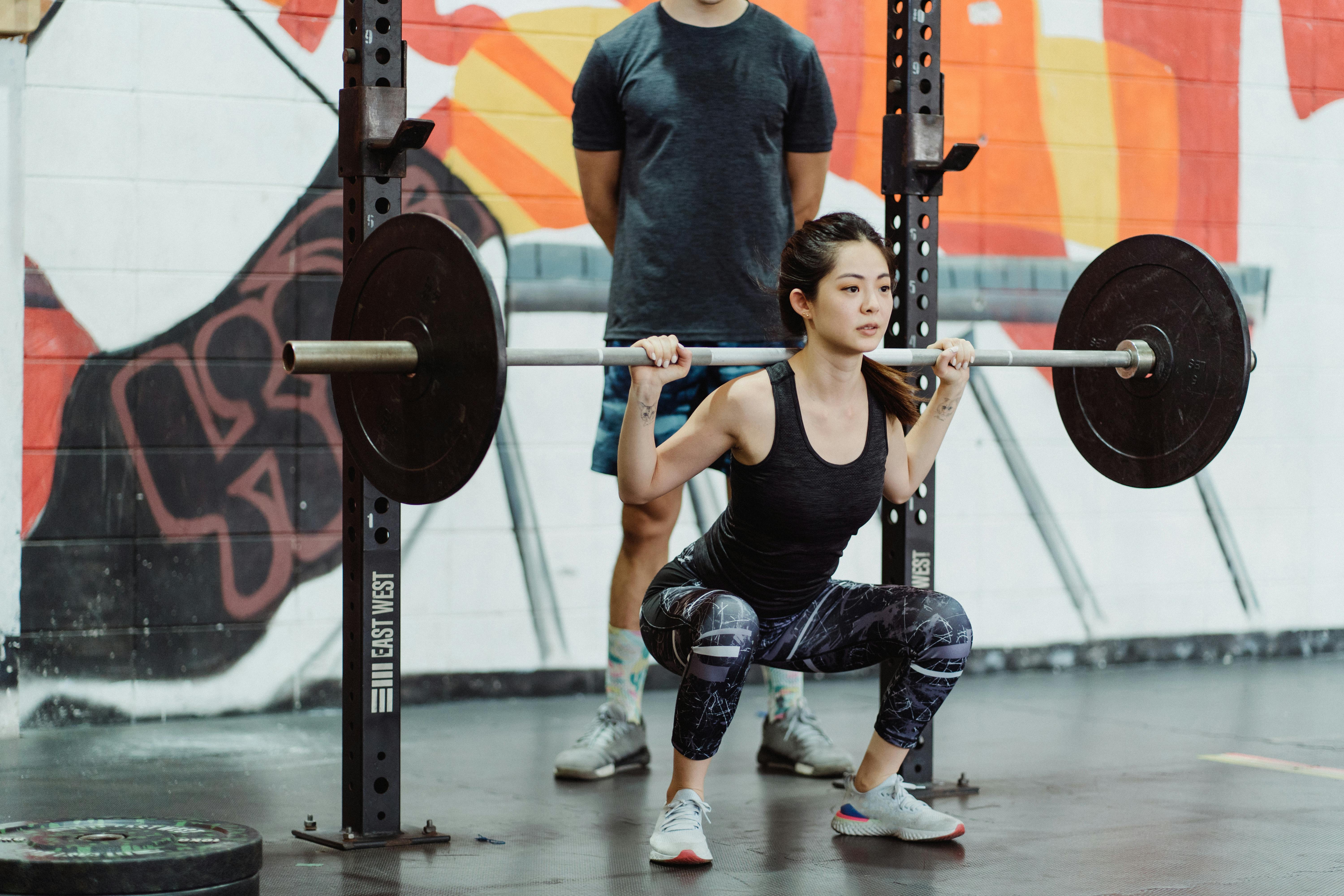
1. Squats
Target area: Quadriceps, glutes, hamstrings, inner thighs
Benefits: The squat is the most comprehensive lower body strength exercise available. It loads the thighs and glutes through a full range of motion, driving muscle development across the entire front and back of the leg.
Beginner tips: Start with bodyweight only until proper depth and knee tracking feel comfortable. Feet should be shoulder-width apart with toes pointed slightly outward. Lower until thighs are parallel to the floor, keeping the chest upright and knees tracking in line with the toes.
Common mistakes: Letting the knees cave inward, cutting the depth short to make it easier, and leaning excessively forward with the torso. All three reduce the effectiveness and increase the risk of knee discomfort.
2. Romanian Deadlifts
Target area: Hamstrings, glutes, lower back
Benefits: The Romanian deadlift is one of the most direct exercises for building the back of the thigh and the lower portion of the glutes, two areas where cellulite is most commonly visible.
Beginner tips: Hold a pair of dumbbells in front of the thighs. With a slight bend in the knees and a flat back, hinge at the hips and lower the weights down the front of the legs until a strong stretch is felt in the hamstrings. Drive through the hips to return to standing.
Common mistakes: Rounding the lower back, bending the knees too much and turning it into a squat, and not feeling the stretch in the hamstrings due to a shortened range of motion.
3. Walking Lunges
Target area: Quadriceps, glutes, hamstrings, hip stabilizers
Benefits: Walking lunges train each leg independently, which corrects strength imbalances and places a high demand on the glutes through a long step pattern. They also improve balance and hip mobility.
Beginner tips: Take a long step forward, lower the back knee toward the floor without letting it touch, then drive through the front heel to bring the back foot forward into the next step. Keep the torso upright throughout.
Common mistakes: Taking too short a step, allowing the front knee to travel far past the toe, and rushing through the reps without control on the way down.
4. Glute Bridges
Target area: Glutes, hamstrings, hip stabilizers
Benefits: The glute bridge isolates the glutes directly and is one of the most beginner-accessible exercises for building the lower glutes and upper thigh area. It can be progressed easily by adding a resistance band or dumbbell.
Beginner tips: Lie on your back with knees bent and feet flat on the floor. Drive through the heels and squeeze the glutes to lift the hips until the body forms a straight line from knees to shoulders. Hold for one to two seconds at the top before lowering.
Common mistakes: Pushing through the toes instead of the heels, not fully extending the hips at the top, and using the lower back to bridge rather than the glutes.
5. Step-Ups
Target area: Glutes, quadriceps, hamstrings
Benefits: Step-ups place single-leg demand on the glutes and thighs, requiring stability and control that compound movements sometimes allow you to compensate around. They are particularly effective for the outer thigh and glute area.
Beginner tips: Use a sturdy bench or box at knee height. Step up with one foot, drive through the heel of the elevated foot to stand fully, then lower the other foot back down with control. Complete all reps on one side before switching.
Common mistakes: Pushing off the back foot instead of driving through the elevated foot, and lowering down without controlling the movement.
6. Bulgarian Split Squats
Target area: Glutes, quadriceps, hamstrings, hip flexors
Benefits: The Bulgarian split squat is an advanced single-leg movement that produces significant muscle growth in the glutes and thighs when performed consistently. It is one of the most demanding lower body exercises and one of the most rewarding for visible leg improvement.
Beginner tips: Place the rear foot on a bench behind you and stand far enough forward that the front knee does not pass far beyond the toe when lowering. Lower the back knee toward the floor under control, then drive through the front heel to return to standing. Start with bodyweight only.
Common mistakes: Standing too close to the bench, which places excessive stress on the front knee, and not lowering deep enough to fully engage the glutes.

| Sample Weekly Cellulite Workout Plan
This plan is designed for beginners and can be adjusted as strength and fitness improve.
| Day | Activity |
| Monday | Lower Body Strength Squats: 3 sets x 12 reps Romanian Deadlifts: 3 sets x 10 reps Glute Bridges: 3 sets x 15 reps |
| Tuesday | Rest or Light Walk 20 to 30 minutes at a comfortable pace |
| Wednesday | Lower Body Strength Walking Lunges: 3 sets x 10 reps each leg Step-Ups: 3 sets x 12 reps each leg Glute Bridges with band: 3 sets x 15 reps |
| Thursday | Mobility and Stretching 10 to 15 minutes — hip flexors, hamstrings, quads |
| Friday | Lower Body Strength Bulgarian Split Squats: 3 sets x 8 reps each leg Squats: 3 sets x 12 reps Romanian Deadlifts: 3 sets x 10 reps |
| Saturday | Active Recovery Light walking, yoga, or swimming |
| Sunday | Full Rest Prioritize sleep and full recovery |
Increase the resistance or number of reps every two weeks as the exercises begin to feel manageable. Progressive overload, which means consistently challenging the muscle a little more over time, is what drives continued improvement.
| Nutrition Tips That Support Smoother Skin
Training alone produces results, but nutrition accelerates and supports everything happening in the gym.
Prioritize protein. Muscle repair and growth require adequate protein intake. Aim to include a quality protein source in every meal. Eggs, lean meat, fish, legumes, and Greek yogurt are all practical everyday options.
Stay consistently hydrated. Dehydrated skin appears thinner and more textured, which makes cellulite more visible. Drinking enough water throughout the day supports skin elasticity and helps manage the fluid retention that worsens cellulite appearance.
Build meals around whole foods. Vegetables, fruits, whole grains, and lean proteins provide the micronutrients that support skin health, circulation, and muscle recovery. These do not need to be complicated or expensive.
Reduce ultra-processed foods. Highly processed foods high in refined sugar and sodium contribute to inflammation and fluid retention, both of which negatively affect how cellulite appears on the skin. Reducing them consistently makes a visible difference over time.
Set realistic expectations. No food eliminates cellulite. Nutrition supports the structural changes being built through training, but it works over weeks and months, not days. Consistency matters far more than any single food choice.

| Common Mistakes That Slow Results
Relying too heavily on cardio. Cardio has its place in a balanced fitness routine, but using it as the primary tool for cellulite reduction slows progress significantly. Strength training should form the foundation of the plan.
Training inconsistently. Three quality sessions per week performed consistently for several months will always outperform five sessions per week done sporadically. Regularity drives results more than intensity alone.
Not increasing resistance over time. Doing the same workout with the same weight every session stops producing new adaptation after the first few weeks. Progressive overload is essential for continued muscle development.
Undervaluing sleep and recovery. Muscle growth happens during rest, not during the workout itself. Poor or insufficient sleep slows recovery and reduces the effectiveness of every training session.
Expecting visible change too quickly. Structural changes to muscle and skin take time. People who abandon a plan after three or four weeks rarely see the results that three to four months of consistent work would have delivered.
| How Long Does It Take to See Results?
This is the question most people want answered before committing, and the honest answer is that it depends on starting point, training consistency, nutrition, and individual factors like genetics and hormones.
As a general guide, most people notice improved muscle tone and firmer-feeling legs within four to six weeks of consistent training. Visible changes to the surface texture of the skin typically begin to appear between eight and twelve weeks. More significant structural improvement builds over three to six months of continued, progressively challenging training.
The progress is gradual and cumulative, which means it is easy to underestimate how much change is actually happening when checking week by week. Progress photos taken every four weeks are a far more accurate way to track improvement than daily comparison.
The goal is not perfection. The goal is a stronger, healthier body with improved tone and confidence. That goal is achievable for anyone willing to train with consistency and patience.
| Frequently Asked Questions
Can strength training actually reduce the appearance of cellulite?
Yes. While strength training does not eliminate cellulite entirely, it directly reduces its visibility by building lean muscle beneath the skin in affected areas. More muscle creates a firmer surface, which smooths the dimpled appearance over time.
How many days per week should I train legs for cellulite reduction?
Two to three lower body strength sessions per week is the most effective range for beginners and intermediate trainees. This allows enough training stimulus to build muscle while leaving adequate recovery time between sessions.
Is cardio completely useless for cellulite?
No. Cardio supports overall cardiovascular health and contributes to body fat reduction. The issue is using it as the primary or only tool for cellulite reduction. When combined with strength training as a secondary activity, cardio complements the program well.
Do I need to go to a gym to follow this plan?
No. All six exercises in this plan can be performed at home with a pair of adjustable dumbbells and a sturdy chair or low step. As strength builds, adding resistance bands or a set of heavier dumbbells keeps the progression moving.
Will building muscle make my legs look bigger?
Building muscle in the legs and glutes creates a firmer, more defined appearance rather than a bulky one. The lean muscle that develops through the rep ranges and exercise selection in this plan shapes and tightens the legs rather than adding visible bulk.
| Final Thoughts
At the end of the day, having cellulite doesn’t mean you are out of shape, unhealthy, or doing something wrong. It is simply a reflection of normal human biology.
Instead of punishing your body with endless hours of exhausting cardio to “burn it off,” try treating your body with respect by building it up. Focus on getting stronger, lifting heavier weights with great form, and nourishing your skin from the inside out. At Way Fit Hub, the approach to fitness is always practical and grounded in what actually produces results for real people. This plan is not about chasing perfection or following an extreme protocol. It is about training consistently, eating well, recovering properly, and giving the body enough time to show what it can do.
You’ve got this-Start with the basics. Follow the weekly plan. Increase the challenge as it becomes manageable. The results will come.
