

 By
By Kettlebell strength training: the ultimate full-body workout to build muscle and burn fat
Let’s face a simple truth: our modern schedules don’t easily accommodate two-hour gym sessions spread across five days a week. Between professional demands, family commitments, and the basic need for personal downtime, traditional fitness routines often fall by the wayside. You are likely searching for a fitness system that respects your time without shortchanging your results.
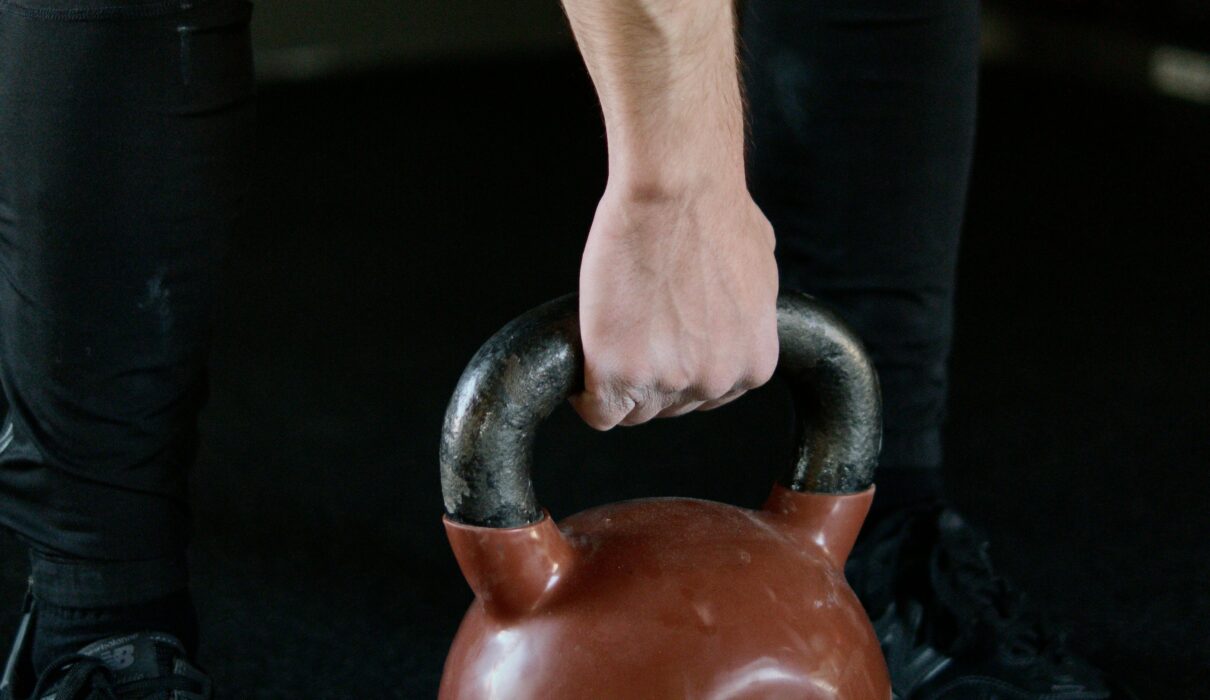
Enter the kettlebell. This single piece of cast-iron equipment, resembling a cannonball with a handle, is the ultimate all-in-one health and fitness solution. Unlike standard dumbbells or single-plane gym machines, kettlebells shift the center of mass outside of your hand, forcing your body to engage dozens of stabilizing muscle groups simultaneously. By integrating explosive ballistic movements with deeply grounded compound lifts, kettlebells solve the ultimate fitness paradox: they allow you to build lean, functional muscle mass while concurrently forcing your metabolic engine to burn stubborn body fat.
At WayFitHub, this guide covers everything needed to get started and keep progressing. From the best exercises and a structured workout plan to common mistakes and realistic expectations, every section is built around practical results.

What You Will Learn in This Article:
- How kettlebell training differs from conventional weightlifting
- The specific benefits for muscle building and fat loss
- Seven of the best kettlebell exercises with full guidance
- A beginner-to-intermediate weekly workout plan
- Common mistakes that slow progress and how to fix them
- Actionable beginner tips for faster, lasting results
- Frequently asked questions answered clearly
| What Is Kettlebell Strength Training?
A kettlebell is a cast-iron weight with a single looped handle at the top. Unlike a dumbbell where the weight sits evenly on both sides of the hand, the kettlebell’s mass hangs below the grip. That offset changes everything about how the body must stabilize, control, and generate force through each movement.
Conventional strength training with barbells and machines isolates specific muscle groups in fixed movement patterns. Kettlebell training works differently. Because the weight is always shifting relative to the body, the stabilizing muscles, the core, the hips, and the supporting structures around every joint are engaged continuously throughout each exercise. A single kettlebell swing, for example, trains the hamstrings, glutes, lower back, core, shoulders, and grip simultaneously.
This makes kettlebell training both a strength tool and a conditioning tool. The heart rate elevates significantly during kettlebell sessions compared to traditional weightlifting, which means the same session that builds muscle also burns a substantial number of calories. For anyone with limited time who wants both strength and cardiovascular benefit from a single workout, kettlebells are one of the most efficient choices available.
| Benefits of Kettlebell Strength Training
Builds Lean Muscle
Kettlebell exercises recruit multiple muscle groups simultaneously and require significant force output, particularly in the posterior chain. Consistent kettlebell training produces measurable increases in lean muscle mass, especially in the glutes, hamstrings, back, shoulders, and core.
Burns Fat Efficiently
Because kettlebell movements are compound and dynamic, they burn significantly more calories per session than isolated exercises. The metabolic demand continues after the workout ends as the body recovers and repairs muscle tissue. This effect, often called excess post-exercise oxygen consumption, makes kettlebell training particularly effective for fat loss.
Strengthens the Core
Every kettlebell movement requires active core engagement to maintain posture, protect the spine, and transfer force from the lower body to the upper body. Consistent training builds a level of functional core strength that sit-ups and planks alone cannot replicate.
Improves Endurance and Conditioning
The sustained effort required during kettlebell circuits challenges both the aerobic and anaerobic energy systems. Over weeks of training, cardiovascular endurance improves alongside muscular strength, making everyday physical tasks noticeably easier.
Supports Home Workouts
A single kettlebell and a small amount of floor space is all that is required. No gym membership, no rack of equipment, no machines. This makes kettlebell training one of the most accessible strength training options available for people training at home.
Saves Workout Time
A well-designed 30 to 40-minute kettlebell session accomplishes what might take 60 to 90 minutes with traditional split training. The combination of strength and conditioning work in a single session removes the need to train separately for both.

| Best Kettlebell Strength Training Exercises
The following seven exercises form the foundation of effective kettlebell strength training. Mastering these movements before adding weight or volume is the most important step any beginner can take.
1. Kettlebell Swing
Target muscles: Hamstrings, glutes, lower back, core, shoulders
How it works: The swing is the cornerstone of kettlebell training. Drive the hips back forcefully, then snap them forward explosively to propel the kettlebell to shoulder height. The arms guide the bell but the power comes entirely from the hip hinge. Control the descent and repeat.
Beginner tip: Think of the movement as a horizontal push with the hips, not a squat. The chest should stay up and the back should remain flat throughout.
Common mistake: Using the arms and shoulders to lift the kettlebell rather than driving from the hips. The swing is a lower body power movement, not an arm exercise.
2. Goblet Squat
Target muscles: Quadriceps, glutes, inner thighs, core
How it works: Hold the kettlebell by the horns at chest height. Stand with feet shoulder-width apart, toes turned slightly out. Lower into a deep squat, keeping the chest tall, knees tracking over the toes, and heels flat on the floor. Drive through the heels to stand.
Beginner tip: The goblet position pulls the weight forward, which naturally counterbalances the squat and makes it easier to achieve proper depth. Use this as a teaching tool for general squat form.
Common mistake: Allowing the knees to cave inward or the heels to rise off the floor. Both indicate that the weight is too heavy or that hip and ankle mobility needs work.
3. Turkish Get-Up
Target muscles: Full body, with emphasis on shoulders, core, and hip stabilizers
How it works: Lie on your back holding the kettlebell directly above the shoulder with a locked elbow. Move through a series of deliberate positions from lying to standing while keeping the bell pressed overhead at all times. Reverse the steps to return to the floor.
Beginner tip: Practice the movement with no weight or a very light load until each transition is fully controlled. This exercise teaches total body coordination more than any other kettlebell movement.
Common mistake: Moving too quickly and losing control of the overhead position. This is a slow, controlled exercise. Speed works against it.
4. Kettlebell Deadlift
Target muscles: Hamstrings, glutes, lower back, traps, forearms
How it works: Stand with the kettlebell between the feet. Hinge at the hips, grip the handle, and drive through the heels to stand tall. Squeeze the glutes at the top. Hinge back down with control, keeping the back flat, to return the bell to the floor.
Beginner tip: The deadlift is the safest and most accessible entry point for learning the hip hinge pattern. Begin here before progressing to swings or cleans.
Common mistake: Rounding the lower back when reaching for the bell. Always set the spine before pulling. If rounding is unavoidable, elevate the kettlebell on a surface to reduce the range of motion temporarily.
5. Clean and Press
Target muscles: Glutes, hamstrings, shoulders, triceps, core
How it works: Clean the kettlebell from a swing position to the rack position at shoulder height, then press it overhead until the arm is fully locked out. Lower with control back to the rack, then back to the starting position.
Beginner tip: The clean should feel like a punch to the shoulder, not a curl. Practice the clean separately until it is smooth and the bell lands gently in the rack position before combining it with the press.
Common mistake: Banging the forearm on the way up during the clean. This is solved by keeping the bell close to the body and rotating the elbow under the bell early in the movement.
6. Kettlebell Row
Target muscles: Upper back, lats, rear deltoids, biceps
How it works: Place one hand on a bench or knee for support. Hold the kettlebell in the opposite hand and let it hang at arm’s length. Drive the elbow back and up to row the bell toward the hip. Lower with control.
Beginner tip: Focus on driving the elbow rather than pulling with the hand. This shifts the effort to the back muscles where it belongs.
Common mistake: Rotating the torso excessively to generate momentum. Keep the hips square to the floor and let the back do the work.
7. Kettlebell Walking Lunges
Target muscles: Quadriceps, glutes, hamstrings, hip stabilizers
How it works: Hold a kettlebell in each hand or in one hand at the side. Step forward into a lunge, lower the back knee toward the floor under control, then drive through the front heel to step into the next lunge. Continue for the desired reps or distance.
Beginner tip: Start without weight until the movement pattern and balance feel solid. Adding kettlebells too early turns a technique drill into a compensated, ineffective repetition.
Common mistake: Taking a step that is too short, which places excessive stress on the front knee. A longer step keeps the shin more vertical and distributes the load more safely.
| Full-Body Kettlebell Strength Workout Plan
This plan is structured for three sessions per week with a rest or active recovery day between each session. Each session targets the full body using a combination of the exercises above.
Recommended training frequency: 3 days per week with at least one rest day between sessions.
| Exercise | Sets | Reps | Rest |
| Kettlebell Deadlift | 3 | 10 | 60 sec |
| Goblet Squat | 3 | 12 | 60 sec |
| Kettlebell Swing | 4 | 15 | 45 sec |
| Kettlebell Row (each side) | 3 | 10 each | 60 sec |
| Clean and Press (each side) | 3 | 8 each | 75 sec |
| Walking Lunges | 3 | 10 each leg | 60 sec |
| Turkish Get-Up (each side) | 2 | 3 each | 90 sec |
Progressive overload: Every two weeks, increase either the number of reps, the number of sets, or move to a heavier kettlebell. At least one of these variables should increase on a regular schedule to ensure continued adaptation. Repeating the same workout at the same weight indefinitely produces diminishing returns after the first four to six weeks.
Warm-up: Spend five to eight minutes warming up before each session. Hip circles, bodyweight squats, leg swings, and shoulder rotations are all appropriate. Never begin heavy swings or deadlifts with a cold body.
If you find these movements slightly complex or want to build up your baseline coordination first,
please head over to our comprehensive guide on configuring your first setup: Kettlebell workout for beginners to master form foundations at your own pace.

| Common Kettlebell Training Mistakes
Choosing the wrong weight: Starting too heavy is the most common beginner mistake. It forces compensation, breaks technique, and significantly increases injury risk. Start lighter than expected, master the movement, and add weight progressively. Starting too light and progressing upward is always the smarter path.
Weight Guidelines for Beginners:
For Average Strength Individuals (Female Identifying): A starting kettlebell weight
between 18 lbs (8kg) and 26 lbs (12kg) is ideal. This allows you to build proper shoulder tracking and core bracing patterns without risking injury.
For Average Strength Individuals (Male Identifying): A starting kettlebell weight between
35 lbs (16kg) and 44 lbs (20kg) provides enough resistance to teach your hips how to hinge properly without overwhelming your lower back.
Remember: If your lower back begins to ache or feel tight, stop your set immediately. This
is a classic sign that your hips are fatiguing and your lumbar spine is absorbing forces it isn’t
meant to handle. Re-engage your core, reset your posture, or drop down to a lighter bell.
Prioritizing speed over form: Kettlebell movements, particularly swings and cleans, have a natural rhythm. Rushing through reps to hit a number faster reduces the quality of each repetition and removes the mechanical tension that produces strength and muscle. Controlled, intentional reps consistently outperform rushed, sloppy sets.
Skipping the warm-up: Kettlebell training demands a lot from the hips, hamstrings, shoulders, and wrists. Beginning without warming those areas up properly increases the risk of strain significantly. Five minutes of dynamic movement before every session is not optional.
Training inconsistently: Three sessions per week for eight weeks produces more progress than seven sessions one week followed by two weeks off. Consistency is the primary driver of adaptation. Missing sessions frequently resets the stimulus and slows every metric of progress.
Neglecting recovery: Muscle is built during rest, not during training. Poor sleep, insufficient nutrition, and no rest days between sessions all limit what the body can produce. Recovery is as important as the training itself.
| Beginner Tips for Better Results
Form before load: Every exercise in this guide should be learned at a light or manageable weight before the load increases. Technique built early becomes automatic. Technique corrected late takes significantly longer to fix.
Train on a schedule: Decide on specific training days and treat them as fixed commitments. People who train whenever they feel like it train far less consistently than those who assign specific days. Three days a week on a fixed schedule is more productive than an undefined plan.
Track every session: Record the weights used, sets completed, and reps achieved after every workout. This makes progressive overload intentional rather than accidental and provides a clear record of progress over weeks and months.
Prioritize sleep: Seven to nine hours of quality sleep per night is the most underutilized recovery tool available. Strength, focus, and muscle repair all depend on it. Reducing sleep to train more frequently has the opposite effect of what most people intend.
Support training with nutrition: Adequate protein intake supports muscle repair and growth. Including a quality protein source in every meal and eating enough total food to support training demands makes the work in the gym significantly more productive. Under-eating while training hard is one of the most common reasons progress stalls.
| Frequently Asked Questions
Is kettlebell strength training good for beginners?
Yes. The exercises scale easily to any fitness level and the movements teach fundamental movement patterns like the hip hinge, squat, and overhead press that carry over to all forms of strength training. Starting with a lighter kettlebell and focusing on technique first makes the transition into harder training much smoother.
Can kettlebells replace dumbbells?
For most purposes, yes. Kettlebells can perform the majority of exercises that dumbbells handle, and their offset weight distribution adds a stability challenge that dumbbells do not. For exercises requiring very precise bilateral loading, such as certain bench press variations, dumbbells remain more suitable. For general strength and conditioning, kettlebells are more versatile.
How heavy should my kettlebell be?
A general starting point for women is between 8 and 12 kilograms. For men, 12 to 16 kilograms is a common beginner range. These are guidelines only. The correct weight is one that allows full range of motion with proper form but still feels challenging by the final reps of each set. When 15 reps feel easy with good form, it is time to increase the load.
How often should I train with kettlebells?
Three sessions per week with at least one rest day between each is the most effective frequency for beginners. This allows enough stimulus for adaptation while providing adequate recovery time. As conditioning improves over several months, a fourth session can be added.
Are kettlebells good for fat loss?
Kettlebells are among the most effective tools for fat loss available. The combination of strength work and elevated heart rate in a single session burns more calories than conventional isolation training. When paired with appropriate nutrition and consistent training, results are visible and sustainable.
| Final Thoughts
Transforming your physique doesn’t require overcomplicating your lifestyle with excessive gear or endless hours of mundane exercise. By focusing heavily on compound movements that work your body as an integrated ecosystem, you compress hours of traditional gym work into highly effective, brief sessions.
The exercises in this guide are not complicated, but they are demanding. They reward consistency, patience, and attention to technique far more than they reward effort alone. The people who see the most significant results are those who show up regularly, increase the challenge over time, and support their training with proper recovery and nutrition. At WayFitHub, the goal is always to provide guidance that produces real results for real people. Kettlebell training fits that goal precisely. Whether the starting point is complete beginner or someone returning to training after time away, the path forward is the same
Pick up a bell, focus entirely on mastering the hip hinge, and watch your physical strength and conditioning evolve.
