

 By
By The simple anti inflammatory diet meal plan
I didn’t start this anti inflammatory diet meal plan because I wanted to feel better. I started it because I was tired of explaining myself.
When my knees started hurting while climbing stairs, I got tired of telling people I was “fine.” Tired of the 3pm slump, no matter how much coffee I’ve drank. Tired of Googling symptoms at midnight and thinking of the same words over and over again. inflammation.
So, I created a simple, boring, non-glamorous seven-day anti inflammatory diet meal plan for myself. No supplement. No detox teas. For a week just make small changes in eating habits.
I expected the usual. Maybe my joints get a little loose. Maybe the swelling around my eyes will subside. It actually had nothing to do with what happened until the seventh day, and it astonished me so much that I sat with it for a few days before writing it.
Why I even tried an anti inflammatory diet meal plan
I want to be honest about where it all started, because I think a lot of people adopt this type of eating plan the same way I did. Not from a place of discipline. From a place of being worn out.
My joints were not dramatic. No swelling, no diagnosis, the doctor won’t mark anything on the scan. Just a low, steady stiffness that appears after a workout and persists longer than before. Add in bloating that had no pattern, energy that crashed sharply every afternoon, and a general feeling of running on static, and I was ready to try something that didn’t involve yet another supplement bottle.
An anti inflammatory diet meal plan appealed to me because it was not a diet in the restrictive sense. It was close to rebalancing. Less of some things, more of some, based on Whole Foods rather than rules.
What the meal plan actually looked like
I intentionally kept it simple, because complicated plans are the ones people leave until Wednesday.
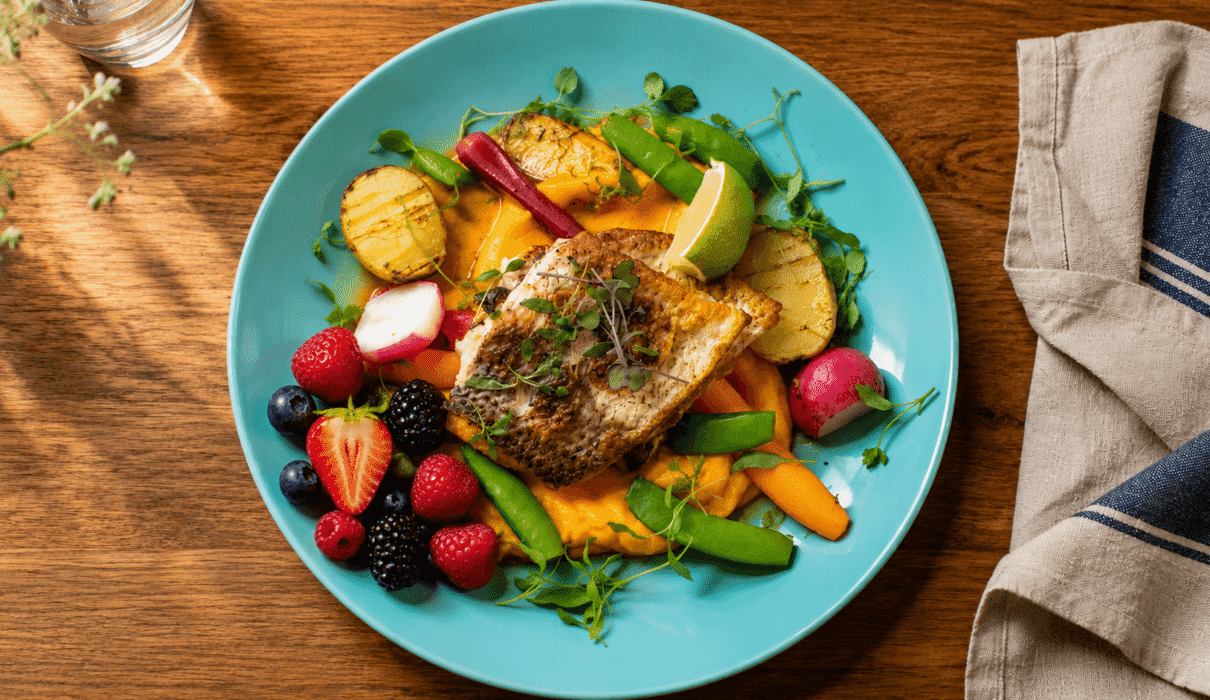
Breakfast consisted of foods such as berries, plain yogurt, walnuts, and eggs, sometimes replacing oats with cinnamon and flaxseed. Lunch and dinner focus on fatty fish, leafy greens, olive oil and colorful vegetables, a Mediterranean-style plate researchers consistently link to reducing inflammation. Snacks were things like a handful of almonds, cucumbers with hummus, or a small bowl of mixed berries.
The foods I took back were the usual suspects. I used to justify refined sugar, fried foods, most processed snacks, and that extra glass of wine as “just relaxing.” I relied on making batches of breakfast and lunch prep ahead of time, a similar approach to the vegan meal prep ideas I shared earlier, which made it much easier to stick to the seven days. I didn’t cut out anything completely, I just made easy anti inflammatory options that I already had sitting in my fridge instead of requiring a drive to get to them.

The first few days
The first and second days felt uneventful, honestly that’s where most of the real change starts. I was not hungry. I wasn’t thrilled either. I cooked my meals, went about my day, and waited for something to happen.
By the third day, the swelling went down a bit. Nothing dramatic, just a looser waistband and less of that heaviness at the end of the day that I stopped even noticing as it became normal.
I kept looking at my knees, because I expected the real story to be there. They felt almost the same way. Maybe a little better, but I won’t say before and after.
The unexpected part
This is where it gets interesting, and where the plan stops being solely about my joints.
Around the fifth day, I noticed that I was falling asleep faster. Not eventually, but immediately. The nightly scroll on my phone that usually lasted until midnight had quietly become shorter, and it felt like a sign that my autonomic nervous system was finally settling down instead of staying on heat all evening.
By the seventh day, a major change was evident. My afternoon crash, upon which I had built my entire coffee habit, just wasn’t showing up in the same way. Even at 3 in the afternoon I felt like a human being. I could focus on writing without that familiar mental fog for about six hours a day.
This is the part I didn’t expect. I joined this anti inflammatory diet meal plan in pursuit of joint relief and came out with better sleep and a clear head, two things I didn’t even put on my list of problems to solve.

Why this might have happened
I want to stay in my lane here, as I’m not a doctor and this is not medical advice, just what I’ve seen and what the research around it suggests.
Many foods taken from an anti inflammatory diet meal plan, especially refined sugar and heavily processed snacks, are known to cause quick rises and falls in blood sugar. Those crashes are often the exact same feeling people describe as the afternoon slump. If blood sugar fluctuations are already a big piece of your puzzle, my insulin resistance meal plan dives deeper into that exact pattern. Replacing those foods with foods that release energy more slowly, such as fiber and healthy fats on a plan like this, may be part of why that 3 p.m. wall stopped appearing for me.
The sleep fragment is probably connected to something similar. Blood sugar fluctuations and the foods that cause them are linked to sleep disruption in many people, and research published by the National Institutes of Health points to a strong connection between glucose regulation and sleep quality. I wasn’t trying to get my sleep back. It seems to have improved anyway, as a side effect of removing what was quietly working against it.
This doesn’t mean that the joint benefits some people report from eating anti-inflammatory foods aren’t real. Mine wasn’t just the title. Everyone’s body reacts differently, and a week is a short window to assess a slow-moving problem like joint inflammation.
What I'd tell you if you're considering this
If you’re thinking about trying an anti inflammatory diet meal plan, I’d say keep a loose grip on what you expect to happen. I went in expecting one thing and got another, and I think that’s actually a more common experience than people admit.
Give it more than a few days before deciding that it’s not working. My actual shift happened not on day one or two, but between day five and seven. And pay attention to the quiet changes, not just the ones you’re specifically looking for. Sleep, mood, focus, and energy are all linked to what’s happening at the level of inflammation in your body, even when the plan on paper is about joints or digestion.
I’m still eating like this, not because my knees have changed, but because I love spending my afternoons back.
This article reflects my personal experience and is not medical advice. If you’re managing a chronic condition or considering a significant change to your diet, it’s worth talking to a doctor or registered dietitian first.
