

 By
Picture yourself in the supplement aisle. Dozens of bottles have the word “bone” on the label, and every single one promises bones that are stronger, denser, harder to break. Here is what nobody prints on the front of the bottle. If you are a healthy adult who already eats reasonably well, the research on bone health vitamins is far more mixed than the marketing would have you believe.
None of that makes these nutrients optional. Your skeleton depends on them. It just changes the question. Not which bottle to buy, but whether you need a bottle at all.
This guide walks through what each nutrient does, how much you actually need, and where the evidence is strong or thin. It also covers the one thing no vitamin can replace. And if your strength has been slipping, take heart: the habits that protect against muscle loss after 40 protect bone too.
Bone health vitamins vs minerals: what your skeleton is really asking for
A small surprise to start. Of the big four, only two are technically vitamins. Vitamin D and vitamin K qualify; calcium and magnesium are minerals. Supplement makers lump them together anyway, because they work as a team.
Your bones are not a fixed frame. They are living tissue, broken down and rebuilt around the clock, and the NIH Office of Dietary Supplements notes that about 98% of your body’s calcium is stored there.
Bone mass climbs toward a peak in early adulthood, then starts to slide. Harvard Health puts the average decline at roughly 1% per year after age 40. Hold on to that number. Everything below is about slowing that slope, not reversing it overnight.
Vitamin D: the bone health vitamin that decides whether calcium even gets in
Vitamin D does two jobs here. It helps your gut absorb calcium, and it keeps blood calcium and phosphate at the levels bones need to mineralize. Run short of it, and the NIH says bones can turn “thin, brittle, or misshapen.”
For adults, the daily target is 600 IU (15 mcg) through age 70, then 800 IU (20 mcg) after that. The upper limit is generally set at 4,000 IU (100 mcg) a day. Labels trip people up, so fix this one conversion in your head: 1 mcg equals 40 IU.
The usual sources are sunlight, fatty fish and fortified foods such as milk, yogurt and orange juice. Status is judged mainly by your blood level of 25(OH)D. The NIH fact sheet treats 20 ng/mL (50 nmol/L) or higher as adequate for most people, and anything under 12 ng/mL as deficiency. How common is a shortfall? Almost one in four people in the United States has blood levels that are too low or inadequate, the NIH estimates. Most at risk are people with darker skin, who make less vitamin D from sunlight, and people with conditions that limit fat absorption, such as Crohn’s disease, celiac disease or ulcerative colitis.
More is not better here. Very high vitamin D levels can cause kidney failure and an irregular heartbeat, and the NIH consumer sheet says this almost always comes from supplements. D2 and D3 are both well absorbed, and taking your dose with a meal that contains some fat helps.
Calcium: the bone health mineral where more is not better
Because calcium is the structural material of bone, the target is fairly high: 1,000 mg a day for most adults. Women aged 51 to 70, and everyone over 70, need 1,200 mg. Now the twist. Count food, drinks and supplements together, and the daily upper limit is 2,500 mg for adults 19 to 50 and 2,000 mg after 51. Once fortified foods and a “bone support” capsule are both in your day, overshooting is easier than you would think.
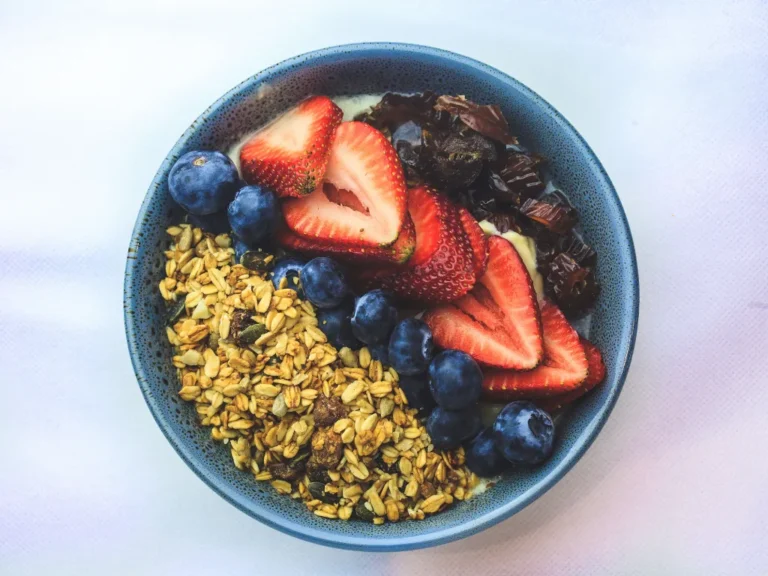
Start with food. It is more doable than people expect. According to the NIH calcium data, an 8-ounce cup of plain low-fat yogurt has about 415 mg. A cup of calcium-fortified orange juice has about 349 mg. Half a cup of firm tofu made with calcium sulfate has about 253 mg, and 3 ounces of canned salmon with the bones has about 181 mg. Plants need a footnote. On paper, spinach looks rich in calcium. In practice only about 5% is absorbed, compared with roughly 27% from milk, because of compounds called oxalates. Kale, broccoli and bok choy absorb about as well as milk, though you need more of them to match a glass.
If you do take a supplement, split it. Your body absorbs calcium best at 500 mg or less at a time, so a 1,000 mg plan works better as two doses. Take calcium carbonate with food. Calcium citrate works on an empty or full stomach and tends to suit people with low stomach acid.
The common complaints are gas, bloating and constipation. Spreading the dose, taking it with meals or switching forms usually helps. Calcium can also interact with certain medicines, including some HIV and bipolar medications, so run it past your pharmacist.
One more reason to hold back. The U.S. Preventive Services Task Force found that vitamin D plus calcium raised the rate of kidney stones, a small but real harm. Before you buy anything, take a quick tally of what you already eat. That is the smartest first step. If food gives you about 800 mg, you may only need to close a gap of a few hundred.
Vitamin K: promising for bone health, but the labels run ahead of the science

Your body uses vitamin K to make proteins involved in blood clotting and in bone, including osteocalcin, which is linked to bone mineralization. That is why it keeps showing up in bone formulas.
Targets are modest: 120 mcg a day for men, 90 mcg for women, and a true deficiency is rare in the United States. Leafy greens do most of the work. Half a cup of boiled frozen collards has roughly 530 mcg, and natto, the fermented soybean dish, has about 850 mcg in a 3-ounce serving.
So what about supplements? A few studies found stronger bones and fewer breaks, the NIH vitamin K sheet says, while others found nothing. Expect a lot of hype around K2 forms such as MK-7. I have not found evidence that makes K2 a must-have, and the research summary is still described as needing more work.
One safety flag. Vitamin K interacts with the blood thinner warfarin (Coumadin), so people on it need to keep their vitamin K intake consistent. On any blood thinner? Talk to your doctor before adding a vitamin K supplement.
Magnesium: the overlooked mineral in most bone health vitamins
Magnesium plays a part in building bone, and people who take in more of it tend to have higher bone mineral density. Per the NIH, whether magnesium supplements reduce osteoporosis risk is still an open question.
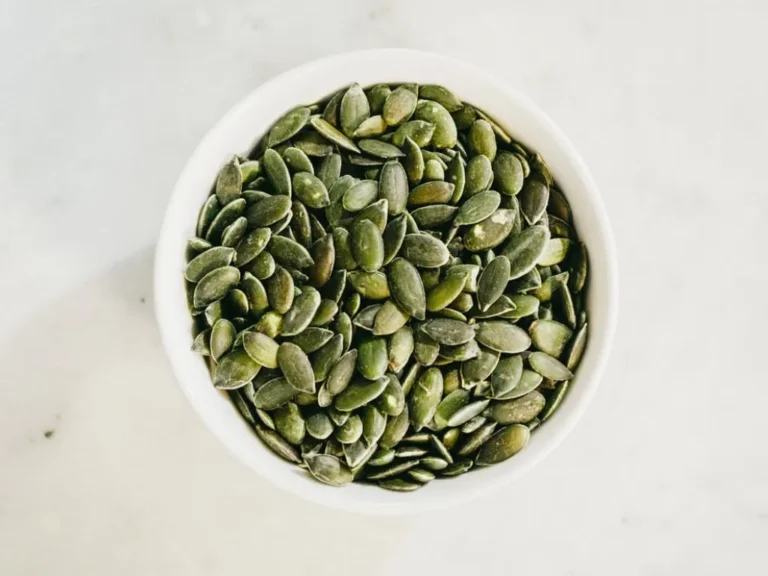
The daily need is 400 to 420 mg for adult men and 310 to 320 mg for adult women. Pumpkin seeds are the standout food, with about 156 mg in a single ounce. Legumes, nuts, whole grains and leafy greens like spinach round out the list.
Here is the detail that confuses people. The upper limit of 350 mg applies only to magnesium from supplements and medications, not to food. A big salad will not push you over it. A high-dose capsule, on the other hand, can cause diarrhea, nausea and cramping.
Two practical notes. Citrate, chloride, lactate and aspartate forms absorb better than magnesium oxide. And if you take a prescription bisphosphonate for osteoporosis, the NIH warns it is not well absorbed when taken too close to a magnesium supplement, so ask your pharmacist about timing.
What the research says about bone health vitamins in healthy adults
Most supplement ads skip this section. Back in 2018, the Task Force concluded that 400 IU or less of vitamin D with 1,000 mg or less of calcium did not prevent fractures in postmenopausal women living in the community.
The same panel’s later draft update went further. It found no net benefit from vitamin D, with or without calcium, for preventing fractures or falls in postmenopausal women and men 60 or older. The NIH echoes this: the supplements slightly raise bone strength in older adults, but whether they prevent breaks is unclear.
Read that carefully. It is easy to misread. The findings cover generally healthy people who are not already deficient and do not have osteoporosis. They do not say the nutrients are useless. A real deficiency damages bone.
The suggestion, in short: stockpiling beyond adequacy buys little extra protection. Fill gaps. Do not chase megadoses.
The part no vitamin can replace: giving your bones a reason to stay strong
Bones respond to load much as muscles do. Stress on bone nudges bone-building cells into action, Harvard Health explains, and strength training in particular targets the hips, spine and wrists, which are among the most common fracture sites.
Walking and running help, though only the bones that carry the load, which means mostly your lower body. A well-rounded strength training routine reaches far more of your skeleton, and higher-impact work tends to do more than gentle movement.
Heavier lifting at lower repetitions can raise bone density more than lighter lifting at high repetitions, the American Academy of Orthopaedic Surgeons adds. A common guideline: train each major muscle group at least twice a week, with a rest day between sessions.
There is a second payoff. Stronger muscles improve balance and stability, which lowers your odds of falling in the first place. If joints or balance limit you, start with low-impact cardio and gentle strength work, and build from there.
One caution before you start. With osteoporosis, a past fracture or a back problem, get your clinician’s okay before heavy lifting or jumping, and ideally work with a qualified trainer.
Who should seriously consider bone health vitamins as supplements
Some people really do need more than food provides: people who get little sun, people with darker skin, and those with gut conditions that limit fat absorption. People who avoid dairy belong on the list too, such as those who are lactose intolerant, have a milk allergy or follow a vegan diet, because they need to plan other calcium sources deliberately.
Certain medicines can affect bone as well. Among them, the Mayo Clinic lists glucocorticoid steroids, some antidepressants and proton pump inhibitors, and it advises talking to a healthcare professional if you break a bone after age 50.
In these cases, the right next step is a conversation, not a shopping cart. Ask whether a vitamin D blood test makes sense for you, and whether you should have a bone density scan. Osteoporosis screening is recommended by the Task Force for women 65 and older, and for younger women at higher risk.
How to choose bone health vitamins without wasting your money
Start with the Supplement Facts panel, not the front label. Is the dose listed in IU or mcg? Compare it to your daily target rather than assuming bigger is better. For calcium, look at the elemental amount per serving.
Skip anything promising a proprietary blend of dozens of ingredients. Known nutrients at sensible doses are what you want. An independent testing seal such as USP or NSF adds some confidence that the bottle contains what it claims.
Watch for stacking. A calcium pill, a multivitamin and a fortified cereal can each carry the same nutrient, and magnesium in a combo product counts toward that 350 mg supplement limit. Finally, tell your pharmacist or doctor everything you take, antacids that contain calcium or magnesium included.
A bone-friendly day of eating, in plain English

Picture a simple day built from the numbers above. Breakfast: a cup of plain yogurt, which already delivers roughly 40% of a 1,000 mg calcium target. Lunch: canned salmon with the bones over steamed broccoli or kale, with a handful of pumpkin seeds on top for magnesium.
Dinner might be firm tofu stir-fried with greens, or a glass of fortified orange juice alongside your meal. A few servings of leafy vegetables across the day cover vitamin K, no supplement needed. Treat this as an illustration of how quickly food adds up, not a meal plan.
The bottom line on bone health vitamins
All four earn their place in a bone-friendly diet: vitamin D, calcium, vitamin K and magnesium. For most healthy adults, food can cover them. A supplement makes sense only when a gap or a medical reason shows up.
Spend your energy where the evidence is strongest: eat the foods, lift something heavy enough to matter, and let your clinician guide any testing.
