

 By
By Deep breathing exercises for lowering blood pressure I doubted until my own numbers changed
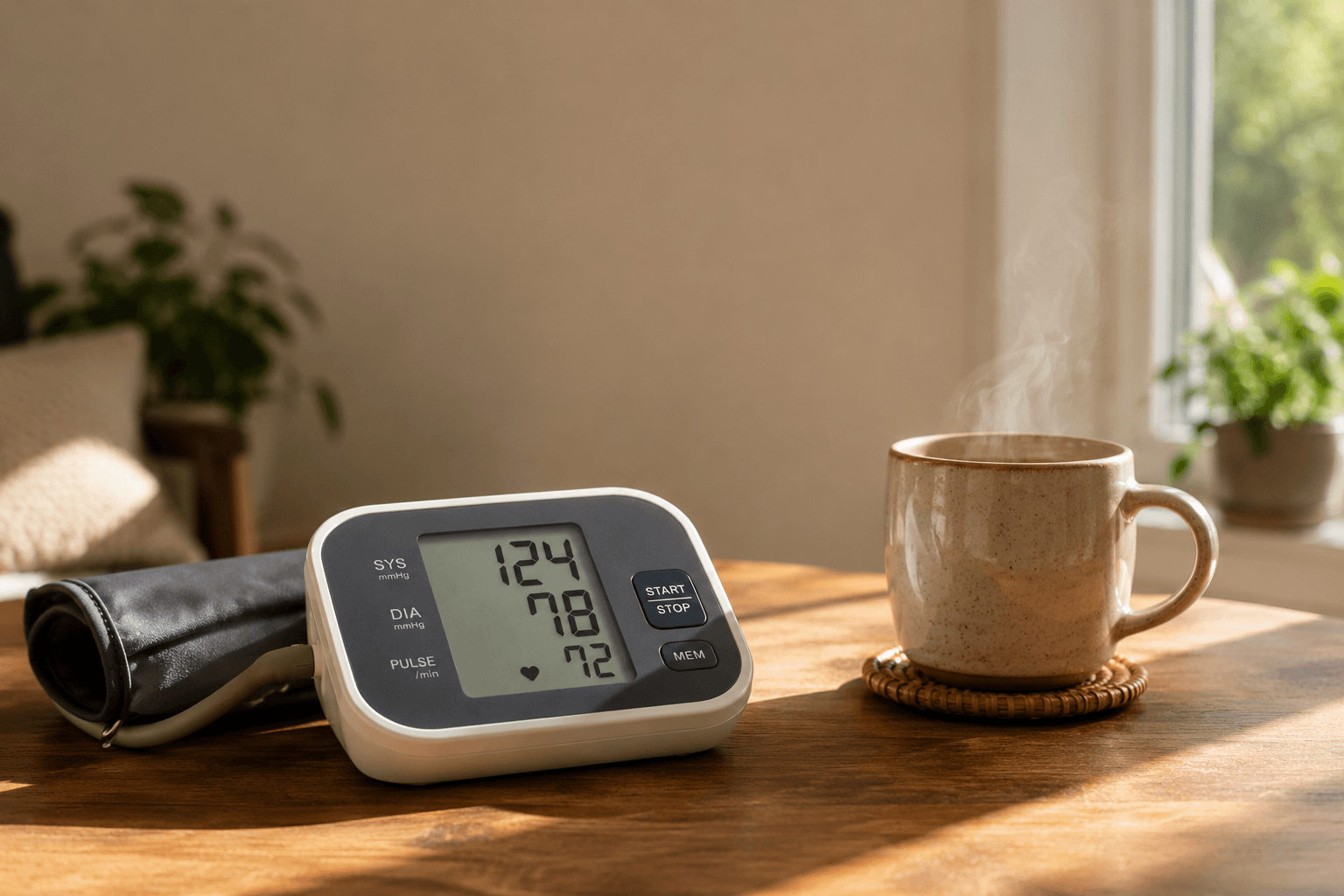
I ignored my home blood pressure monitor for almost a year. It was lying in a drawer next to the old phone charger, because I told myself I already knew what it would say. My numbers were going up, my doctor mentioned it twice, and I did what a lot of people do. I nodded, said I would look into the lifestyle change and went back to my normal routine.
What actually compelled me to open that drawer again was not a health scare. It was reading that in an actual university study, a five-minute breathing habit reduced blood pressure by the same amount as some medications. I remember thinking this sounded like the kind of claim you see on supplement labels, right before it turned out to be nothing at all. So I decided to test it on myself before writing a single word about it.
This article is what I found, what I tried, and what the research actually says once the hype wears off.
Why does your breathing rate affect your blood pressure at all?
This part surprised me the most, because it has almost nothing to do with willpower or stress management in the way I originally expected.
Your breathing rate is directly linked to your autonomic nervous system, the part of your body that silently runs your heart rate, digestion, and blood vessel width without you having to think about it. Breathe rapidly and shallowly, which most of us do without even noticing, and that system leans into its stress response. Slow your breathing to about six breaths per minute, and it shifts toward the calmer, parasympathetic side, resulting in your blood vessels relaxing slightly.
If you want a full explanation, I’ve written a longer description of how this system actually works in this autonomic nervous system guide. The short version is that slow breathing is not the trick to relaxation. It’s a direct lever on the system that controls blood pressure, whether you’re thinking about it or not.
The 5 minutes version I actually tested
I didn’t start with anything complicated. Every morning, before coffee, for five minutes, I would sit and work on a simple pattern.
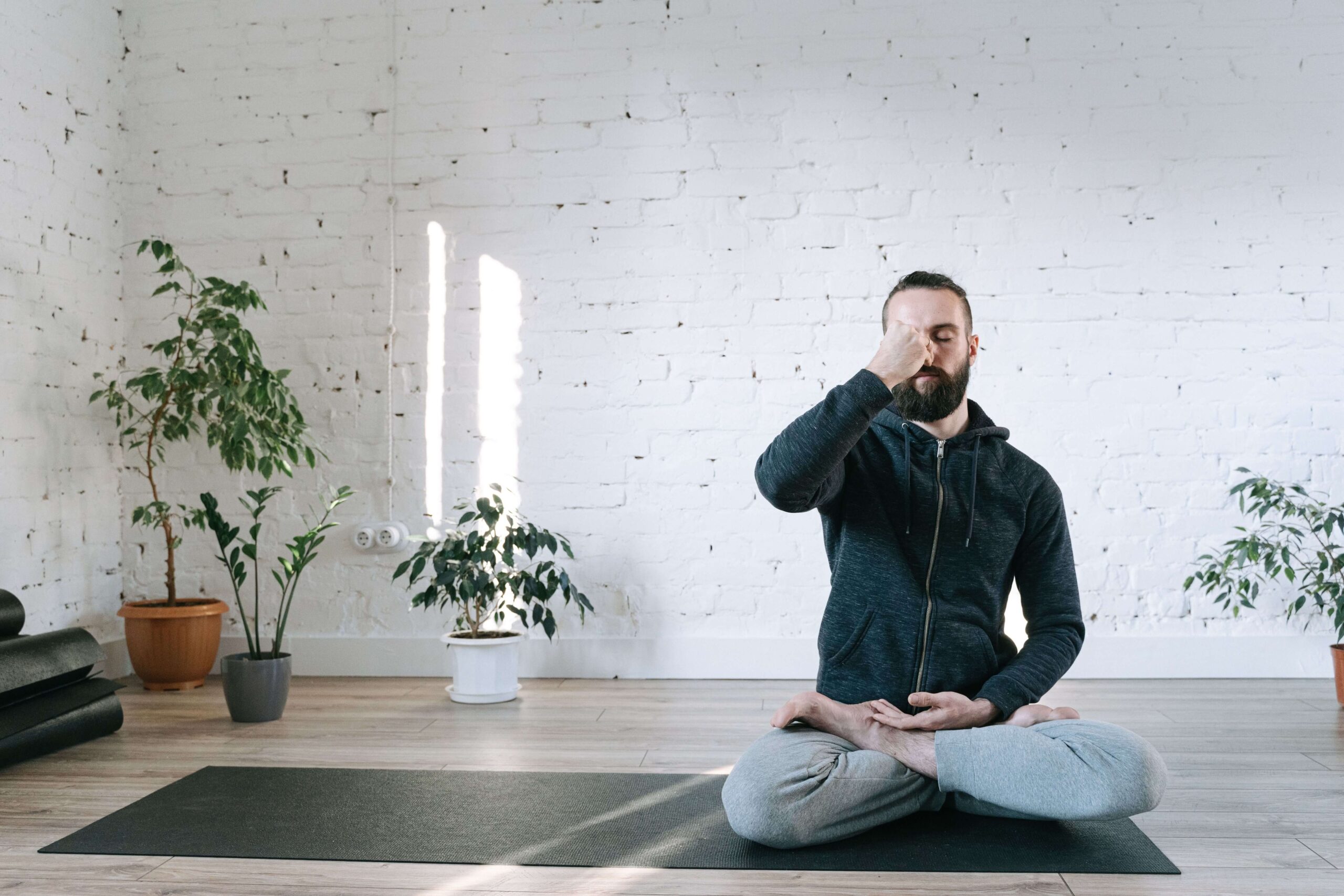
I breathed in through my nose four times, held it seven times and exhaled slowly through my mouth eight times. This is commonly called 4-7-8 breathing, and it naturally slows your breathing rate without the need for a stopwatch or app.
By day four, my resting numbers on the home monitor were sitting a few points lower than my usual baseline. That is not a clinical result, and one person’s home readings prove nothing on their own. But it was enough to make me take the actual research seriously instead of dismissing it.
What the research actually says (and what it does not say)
This is where I want to be careful, because this is the part most articles either oversell or bury completely.
A study at the University of Colorado Boulder found that people who practiced breathing techniques for five minutes a day for six weeks reduced their systolic blood pressure by about nine points, an effect the researchers compared to some blood pressure medications. Separately, Harvard Medical School reports that regularly practicing slow breathing, about fifteen minutes a day, can lower blood pressure by up to ten points in people who already have high blood pressure.
A 2023 scoping review published on the NIH’s research database looking specifically at breathing exercises and hypertension found that while just two minutes of slow, deep breathing reduced blood pressure in the short term, seventeen of the twenty studies reviewed showing actual drops in both systolic and diastolic numbers.
None of this means breathing exercises replace medication, and no reputable source claims that either. What it does mean is that this is not a wellness myth. It is one of the more consistently studied non-drug tools for blood pressure that currently exists.
A few ways to actually do it (pick one, not all three)
You don’t need to cycle through every breathing technique that exists. I would actually argue against this, because constantly changing methods makes it hard to notice if one is working for you or not.
- Box breathing: Inhale for four counts, hold for four counts, exhale for four counts, hold for four counts. Repeat for five minutes. This is easiest if your mind wanders a lot, as even counting gives it a steady rhythm.
- 4-7-8 breathing: the pattern described above. This is best if you feel short of breath or anxious, since the longer exhale forces a slower pace.
- Resonance breathing: Inhale for about five seconds and exhale for about five seconds, aiming for about six breaths a minute. This pattern has been used most directly in the research above, so if you want to follow the science at home as closely as possible, this is the one to start with.
Whatever you choose, five minutes, once a day, done consistently, will teach you more than changing techniques every few days to see if it works for you.
Who should be careful with this
If you’ve been diagnosed with high blood pressure, are taking medication for it, or have any heart or lung problems, talk to your doctor before starting a new breathing exercise, especially anything that involves holding your breath. According to the CDC, deep breathing is generally considered safe for most healthy adults, but a new habit of even a few minutes should never replace an existing treatment plan, and changes in blood pressure medication should only occur under medical guidance.
If you ever feel dizzy, lightheaded, or breathing abnormally while practicing, stop and allow your breathing to return to normal.
Where breathing fits into the bigger picture
I don’t think of breathing exercises as a standalone solution, and I would be skeptical of anyone who tells you that it is. This is a piece in addition to the things you’ve probably already heard about, activity, sleep and what you eat.
If you’re struggling with high blood pressure and looking for gentle ways to get more moving, I’ve put together a guide on low-impact cardio exercises for seniors that pair well with slow breathing habits, especially on days when high-intensity workouts feel like too much.
Sleep matters here too. Poor sleep and blood pressure are more closely related than most people realize, which I discovered when I looked at the research on melatonin and heart health.
And in the case of food, an anti-inflammatory way of eating supports the same goal as slow breathing, calming a nervous system that’s been running overheated for too long.
What I would tell a friend who asked me this
If a friend asked me whether five minutes of breathing a day is worth trying for blood pressure, I would say yes, without hesitating, because the downside risk is close to zero and the potential upside is backed by real research, not just wellness culture. I would also tell them it is not a substitute for whatever their doctor has already recommended, and that the goal is to add this in, not replace anything.
That’s the honest answer, and it’s the one I would have given myself a year ago, sitting in front of a drawer with an unused blood pressure monitor inside it.
FAQs
Does deep breathing lower blood pressure immediately?
Some people see a small, temporary drop in blood pressure within minutes of slow breathing, since it can relax blood vessels almost right away. Lasting changes to your baseline blood pressure tend to take consistent daily practice over several weeks, not a single session.
How long does it take for deep breathing to lower blood pressure?
Research suggests measurable short term drops within two minutes of slow breathing, while longer term changes to resting blood pressure typically show up after two to six weeks of daily practice, depending on the technique and how consistently it is done.
How much can deep breathing lower blood pressure?
Studies vary, but drops of around five to ten points in systolic blood pressure have been reported with consistent daily practice over several weeks. Individual results depend on starting blood pressure, consistency, and overall health.
Can deep breathing replace blood pressure medication?
No. Even in studies showing meaningful drops, researchers describe breathing exercises as a complement to medical treatment, not a replacement. Anyone on blood pressure medication should continue following their doctor’s guidance.
