


 By
By You’ve probably heard someone say that their face looks puffy because their lymphatic system is backed up. Maybe you’ve said it yourself after a rough night of sleep or a salty dinner out.
What is usually recommended is an expensive drainage massage or a health influencer’s tea blend. Food is rarely mentioned, even though it’s doing more work behind the scenes than anything you can buy.
Here’s what your lymphatic system actually does, which are the supporting foods for lymphatic drainage , which ones work against it, and what you need to know if you’ve come here looking for something more specific: swollen lymph nodes.
What the lymphatic system actually does
Your lymphatic system is a network of vessels, nodes, and organs that moves a fluid called lymph through your body. It collects excess fluid from your tissues and returns it to your bloodstream, filters waste, and plays a central role in your immune defense.
This is not an estimate. The Cleveland Clinic’s overview of the lymphatic system explains the same functions, along with why swollen lymph nodes usually mean that your body is fighting something, not that something is broken.
Diet does not move lymph fluid on its own. Muscle movement and hydration do most of the work. But what you eat determines the conditions in which your lymphatic system has to work, and certain foods make its job significantly harder.
Foods for lymphatic drainage
None of these work like a switch. They work the way good nutrition usually works, by removing friction and giving your body what it needs to keep doing its job well.

| Hydration comes first
Lymph fluid is mostly water. When you’re dehydrated, that fluid thickens and moves more slowly through your vessels. Steady water intake through the day does more for lymphatic flow than almost any single food choice on this list.
| Vitamin C and citrus
Vitamin C supports collagen, and collagen is part of what keeps your lymphatic vessel walls strong enough to do their job well. Oranges, bell peppers, strawberries and kiwi are easy ways to get there without reaching for a supplement.
| Bananas
Bananas are high in potassium, and potassium helps your body balance fluid levels instead of holding onto excess water. That makes them a genuinely useful, unglamorous addition if fluid retention is part of what you’re dealing with.
| Olive oil
Extra virgin olive oil is rich in monounsaturated fats and polyphenols, both linked to lower inflammation. Inflammation is one of the things that slows lymphatic vessels down, so swapping it in for more processed cooking oils is a small change with a real reason behind it.
| Leafy greens and cruciferous vegetables
Spinach, kale, broccoli and cauliflower show up on almost every anti-inflammatory eating pattern, and your lymphatic system benefits from the same pattern everything else does. Cruciferous vegetables in particular contain compounds tied to healthier immune signaling.
| Ginger and garlic
Both have a long history in circulation-supporting diets, and there’s decent reasoning behind it. Ginger supports digestion and blood flow. Garlic brings antimicrobial properties that support the immune side of lymphatic function.
| Berries and green tea
Berries bring antioxidants that fight the oxidative stress that wears on blood vessels and lymphatic vessels alike. Green tea offers a milder source of both antioxidants and caffeine than coffee, which matters for the next section.
| Coffee, and why it's more complicated
Coffee is where this gets less straightforward. Caffeine in reasonable amounts isn’t the enemy people sometimes make it out to be, but too much of it can be dehydrating, and dehydration is one of the more reliable ways to slow lymph flow down.
If you already drink coffee daily, the fix usually isn’t cutting it out. It’s matching it with enough water that dehydration never becomes the actual problem.
| Fermented foods
Yogurt, kefir and other fermented foods support gut bacteria, and gut health is more connected to your lymphatic system than most people realize, since a large share of your immune tissue sits along your digestive tract.
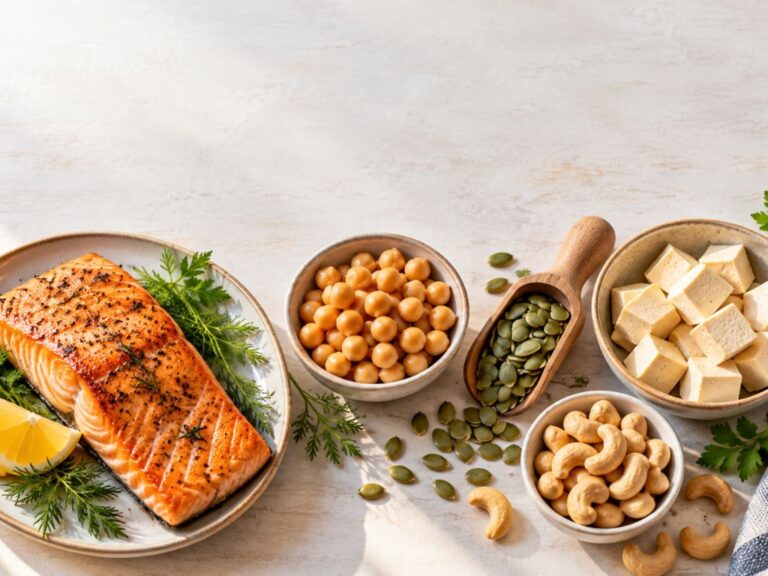
| Protein and zinc
These two get less attention than the produce on this list, but registered dietitians consistently point to them for a reason. Everyday Health’s coverage of lymphatic-supporting foods highlights protein and zinc as nutrients your lymphatic tissue genuinely relies on, alongside vitamin C. Lean protein from fish, poultry, tofu and legumes supports the immune cells that travel through your lymph. Zinc, found in pumpkin seeds, chickpeas and cashews, plays a similar supporting role.
This is also the one section on this list that lines up naturally with the rest of your training nutrition, since most of these foods are already staples in a protein-focused eating pattern.
Foods that work against your lymphatic system
This side is less written about, which is part of why it’s worth covering. Even if you’re already eating pretty well, certain categories of food may still be quietly working against the very system you’re trying to support.
- Excess sodium. Processed and packaged foods rich in sodium encourage your body to retain water, which works directly against the fluid balance your lymphatic system is trying to maintain.
- Refined sugar. A high-sugar diet is linked to more inflammation, and inflammation is one of the most obvious ways lymphatic vessels slow down over time.
- Fried and heavily processed foods. Trans fats and highly processed oils promote the same inflammation patterns, which generally depend on how hard they hit the circulation.
- Red and processed meat. In common with caffeine and processed foods, this is one of the categories that dietitians most consistently flag. This doesn’t mean eliminating it completely, but it shouldn’t make it the center of every meal if lymphatic support is a goal.
- Liquor. It’s dehydrating in the same way excess caffeine is, and dehydration thickens lymph fluid and slows its movement.
- Heavy dairy for some people. that’s personal. Some people notice more congestion and bloating with heavy dairy intake, although the evidence here is more anecdotal than the rest of this list, so it’s worth testing for yourself rather than assuming it applies to you.
A note on swollen lymph nodes
If you’ve arrived here specifically looking for foods to help with swollen lymph nodes, it’s worth being direct: Swollen lymph nodes are usually your body’s normal response to infection, and in most cases they’ll heal on their own once the underlying problem clears up.
Eating well generally supports your immune system, which is actually a good thing when your body can handle it. But the diet itself is not a cure for inflammation, and it will not resolve inflammation that is persistent, painless, or associated with other symptoms such as fever or unexplained weight loss.
If a swollen lymph node persists for more than a few weeks, continues to grow, or doesn’t seem to be linked to any disease you can identify, it’s worth a conversation with a doctor rather than dietary correction. This article covers general lymphatic support through food, not medical treatment.
FAQs
Does coffee affect the lymphatic system?
Only indirectly, through dehydration. Moderate coffee intake matched with enough water shouldn’t work against you. Heavy intake without matching hydration can.
What foods are good for swollen lymph nodes?
There’s no specific food that treats swollen nodes. General immune-supportive eating, the foods covered above, is reasonable while your body handles the underlying cause. Persistent or unexplained swelling calls for a doctor, not a diet change.
Can diet alone improve lymphatic drainage?
No. Movement and hydration do most of the physical work of moving lymph fluid. Diet sets the conditions that make that job easier or harder, which is meaningful, but it isn’t the whole picture on its own.
What foods clog the lymphatic system?
Excess sodium, added sugar, fried and heavily processed foods, red and processed meat, and alcohol are the main categories worth watching, mostly through the inflammation and dehydration they cause.
What nutrients matter most for lymphatic health?
Hydration and potassium for fluid balance, vitamin C for vessel strength, and protein and zinc for the immune cells that travel through your lymph. No single nutrient does the job alone, which is why variety matters more than any one food on this list.
The takeaway
None of this requires an overhaul. Drink enough water, lean toward the foods that show up in almost every anti-inflammatory pattern, and go easy on the ones that work against fluid balance.
Pair it with regular movement, even something as simple as a daily walk, since your lymphatic system depends on muscle contraction to keep fluid moving in a way that no single food can replace on its own.
