

 By
By I followed an acid reflux diet plan for weeks and nothing changed (until I found the real trigger)
I cut the coffee. I cut tomatoes. I said goodbye to the spicy foods I really loved, and I did so for three weeks in a row, waiting for the burning sensation in my chest to subside. It didn’t.
If you’ve tried an acid reflux diet plan and felt like you were doing everything right, while still waking up at 2 a.m. with that familiar burning sensation in your throat, I want you to know that this was exactly my experience too. And the fix that actually worked had nothing to do with the food list I was following so carefully.
What my acid reflux diet plan actually looked like
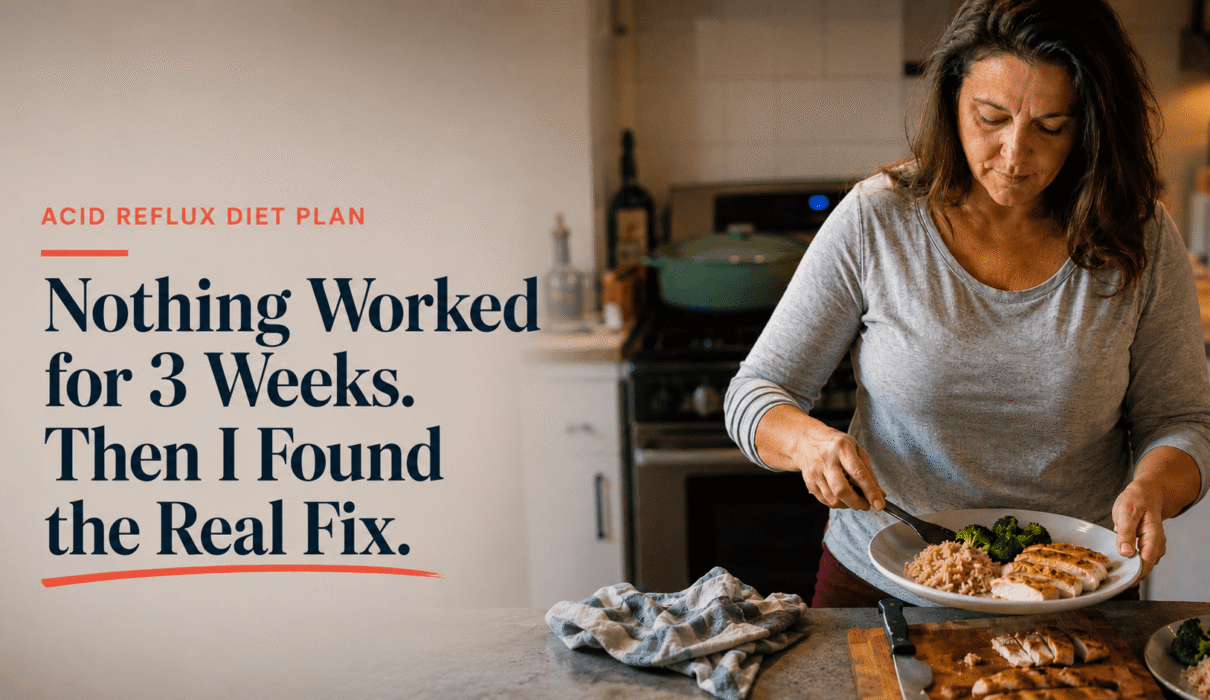
My version of the plan was largely textbook. I started consuming lean proteins like chicken breast and egg whites, swapped out citrus fruits for melons and bananas, cut out fried foods altogether and swapped my afternoon coffee for herbal tea. On paper, it checked every box that a standard acid reflux diet plan should check.
In the first week, I actually felt a little better during the day. These were the nights that kept betraying me. I used to go to bed with a clean, reflux friendly dinner in my system, and still wake up with that sour taste and burning chest that made it difficult to go back to sleep.

Why the diet wasn't touching my worst symptoms
I spent a lot of time feeling frustrated that I just hadn’t found the right food yet. So, I kept eliminating things. Next came dairy, then anything remotely acidic. My meals became smaller and monotonous, and my symptoms barely moved.
The thing I was missing was timing. Lying down causes your stomach to be almost level with your esophagus, so gravity stops helping keep everything where it belongs. Harvard Health notes that many people can improve reflux symptoms through self-care and lifestyle changes before medication becomes necessary, and meal timing was a part of the puzzle that I had completely overlooked.
The one fix that finally stopped the burn
I moved dinner forward by three hours and stopped eating anything, even breakfast, within three hours of lying down. That was a complete change. I didn’t add a single new food to my list or cut anything out from my acid reflux diet plan.
The first night was uneventful, which felt like a real victory after weeks of disrupted sleep. By four o’clock at night, for the first time since this all started, I was sleeping without that jerk-wake irritation. Nothing had changed about my food choices. There was only a clock.
I also started raising the head of my bed a little, giving gravity a little more to work with. Between the earlier dinners and snuggling, the nighttime symptoms that my food-only acid reflux diet plan had never touched finally began to subside.

Where a gerd diet plan comes in if diet alone isn't enough
If you’ve been struggling with reflux twice a week or more for several weeks, it’s sometimes progressed from acid reflux to what the Cleveland Clinic defines as GERD, or gastroesophageal reflux disease, which is an older and more mechanical version of the same problem. The GERD diet plan follows the same basic logic I did, food choice and meal timing, but Johns Hopkins Medicine points out that diet is considered the first line of therapy for GERD and is usually created with a doctor because chronic reflux can affect the esophagus over time.
I am not a doctor and this is not medical advice. What works for my occasional, diet-and-time-driven reflux may not be enough for someone whose symptoms point to GERD, and that difference is worth taking seriously rather than guessing.
What I eat now
My plate looks pretty much the same as it did during those first frustrating three weeks. Lean proteins, non-citrus fruits, oats, and lots of vegetables are still the backbone of my day. The difference is entirely in the clock, not the ingredients.
Dinner goes earlier now, and I don’t really eat late breakfast anymore, even on nights when I want to have snacks. If you’re building your evening meal around something soft to digest, my anti-inflammatory diet meal plan is where I started, and my vegan meal prep ideas post has become my go-to for preparing something well before that three-hour cutoff.
When it's worth talking to a doctor
If changes in diet and schedule do not provide noticeable relief within a few weeks, or if reflux is appearing more than twice a week, that is a sign it is worth visiting a doctor rather than continuing self-management. Persistent reflux may point to something that requires more than a meal plan to fix, and a proper diagnosis is the only way to know for sure.
I am not a doctor or registered dietitian. This reflects my personal experience with occasional acid reflux and general information, not medical advice. If your symptoms are persistent or severe, please talk to a healthcare provider.
