

 By
In the US, approximately one in five men suffers from a varicocele, yet most remain unaware of the condition until a doctor mentions it during an unrelated examination.
Weightlifters often immediately wonder: “Will a diagnosis of this condition change the way I train?” We have previously addressed the question of whether lifting heavy weights can cause a varicocele. This guide serves as a practical follow-up to that information, designed so you can refer back to it whenever you need to plan a week of training with a varicocele
What a varicocele is, and what it is not
A varicocele is an enlargement of the veins within the scrotum, similar to varicose veins in the legs. According to the Cleveland Clinic, it affects 15 to 20 percent of men in the United States, most commonly on the left side, and is not life-threatening.
Most varicoceles do not present symptoms. When symptoms do occur, they typically include mild pain or a sensation of heaviness in the scrotum often relieved by lying down, visible swelling, or a small lump felt above the testicle.
Doctors grade this condition from zero to three based on the ease of detection. A Grade I varicocele can only be detected during the Valsalva maneuver, whereas a Grade III varicocele is clearly visible. If you are looking for clinical information before reading further, the Mayo Clinic’s overview is a good place to start.
How training and a varicocele actually interact
Lifting weights does not cause a varicocele. Its cause is linked to the body’s anatomy, specifically the structure of the veins and their valves, and how blood drains from the left testicle.
However, exercise can make a pre-existing varicocele appear more prominent for a short time. A study in the Scandinavian Journal of Urology found that in men with mild to moderate varicoceles, intense exercise increased vein diameter and the duration of reflux.
The reason for this is pressure. Bracing the body while lifting heavy weights causes a sudden increase in intra-abdominal pressure; doctors actually use this same technique to easily detect a varicocele during an examination. In our guide, we explain this process in detail and discuss how to adjust your breathing technique when performing squats and deadlifts or using the Valsalva maneuver if you have a varicocele.
Adjust your bracing and breathing first
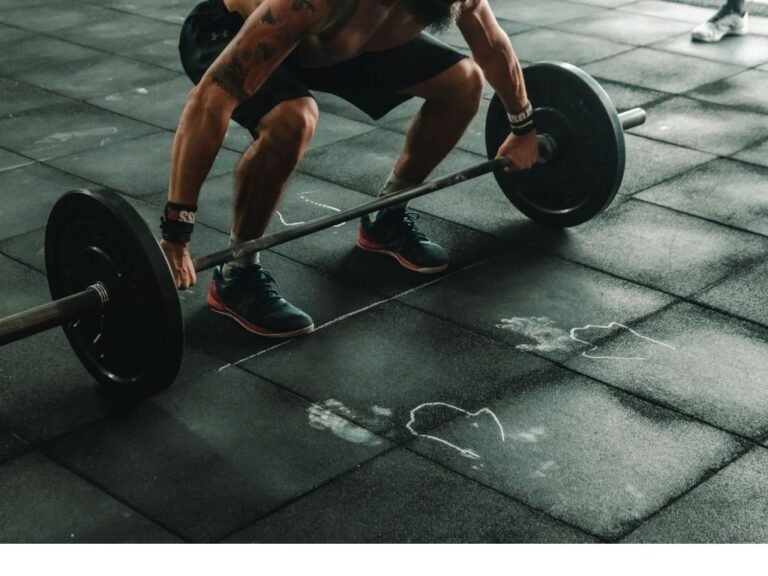
For most lifters, the biggest change isn’t about exercise selection; it’s about how they brace their bodies.
The full Valsalva maneuver, holding your breath during the most difficult part of the lift generates the highest pressure. A submaximal brace, where you inhale about three-quarters of a full breath and exhale a thin stream of air while maintaining tension, preserves spinal stability with less pressure.
Practice this during your initial warm-up sets. Once it feels natural with moderate loads, you can decide to what extent you need it for heavier lifts.
Scale load, rep ranges, and how often you test your max
Most men with mild, asymptomatic varicoceles do not need to give up heavy training. The goal is to avoid combining multiple exercises that exert excessive pressure within a single session.
- Limit attempts at your ‘one-to-three rep max’ to specific sessions rather than doing them every week.
- Perform the majority of your training in the moderate rep range roughly six to ten reps, where intense bracing of the body is not required.
- Rest fully between heavy sets to avoid straining your body before it has recovered.
- Pay attention to which sets cause discomfort, as this helps identify your physical limits.
Choose your movements with the pressure in mind
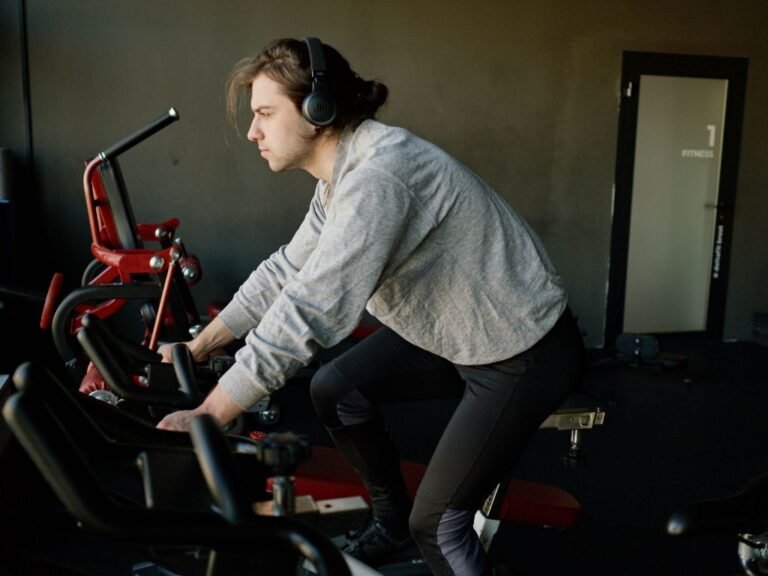
It is generally easier to incorporate low-strain exercises into your routine such as brisk walking, swimming, steady-paced stationary cycling, and light mobility or Pilates-style exercises. These activities improve blood circulation without the sudden pressure associated with lifting heavy barbells.
Heavy squats and deadlifts especially those involving vigorous Valsalva maneuvers straining while holding one’s breath, near-maximal exertion, and prolonged core bracing are the most likely to cause temporary distress or discomfort. This does not mean these exercises are off-limits for everyone, but it is crucial to pay close attention to how your body responds while performing them.
Use support, and treat symptoms as information
The Cleveland Clinic suggests some simple measures that can provide relief for mild varicoceles. Wearing tight underwear or a jockstrap while exercising or standing for long periods can help alleviate symptoms, as can applying a cold pack wrapped in a towel to the painful or swollen area for 15 minutes. Over-the-counter anti-inflammatory medications may also help; however, it is important to consult a doctor first, as not everyone can take NSAIDs.
Since the pain tends to subside when lying down and worsen after prolonged standing or sitting, monitoring your condition for a few days can provide valuable insight. Pay attention to whether strenuous exercise, standing for extended periods, or a combination of both triggers your discomfort.
What a sensible training week can look like
For a lifter with a mild, asymptomatic varicocele, the training week looks much like a standard one, albeit with a few precautions.
Heavy lower-body workouts are scheduled once or twice a week; a light brace is used for the heaviest sets, and ample rest is taken between them. Upper-body workout days rarely cause issues, though heavy overhead pressing requires similar bracing, so the same practices should be followed.
Low-impact cardio is performed on days between lifting sessions, and the week concludes with a brief mobility session. If pain persists for hours after a workout, treat this as a crucial signal: instead of pushing through it, scale back the intensity of the next session.
If you are heading into surgery or recovering from it
Surgery is typically performed only for painful varicoceles or cases affecting fertility. According to a Cleveland Clinic report, most patients recover fully in about six weeks, although permission to lift heavy weights is often granted later, depending on the surgeon and the technique used. Our week-by-week guide to exercise after varicocele surgery details the step-by-step recovery process.
Testosterone and fertility: why they belong in the conversation
The Cleveland Clinic states that large varicoceles can increase the risk of low testosterone and may be a major factor in many cases of male infertility; however, many men with this condition face no difficulty in fathering children.
These are medical questions, not training-related ones. If you are trying to conceive, or if you notice changes in your energy levels, libido, or muscle recovery that do not seem to align with your training, consult a urologist instead of altering your program on your own.
When it is time to see a urologist
- Experiencing discomfort for a prolonged period after a session, or the problem worsening over successive weeks
- New or increasing swelling, a visible bulge, or a change in the size of the testicle
- A sensation of the testicle shrinking
- Inability to conceive after trying for a year
A urologist can determine the severity of your varicocele and advise whether your specific case requires greater caution than the general recommendations provided here.
The bottom line for lifters
- Most men can continue training; this condition is common and poses no threat to life.
- Weightlifting does not cause a varicocele, but heavy bracing can make a pre-existing varicocele more apparent.
- Bracing technique and load management are more important than avoiding specific exercises.
- Wearing supportive underwear and monitoring symptoms are simple, low-effort measures.
- If symptoms persist or change, one should consult a urologist rather than relying on guesswork.
