
 By
By 30-Minute Bodyweight Workout: Build Strength Without a Gym
Short on time but still want real results? A 30-minute bodyweight workout can build muscle, boost your heart rate, and fit into even the busiest schedule. You don’t need a gym membership, fancy equipment, or hours of free time. All you need is your body, a small patch of floor, and the will to show up. If you want more options after this routine, check out our 9 best bodyweight workouts for extra variety. At WayFitHub, we believe understanding a few smart training principles is one of the simplest ways to take charge of your everyday strength, energy, and consistency.

Why Bodyweight Training Works
Bodyweight training uses your own body as resistance, which means you are always building functional strength, the kind that helps with everyday movement, not just lifting a barbell. Research from the American Council on Exercise has shown that bodyweight exercises like squats and push-ups can activate multiple muscle groups at once, making workouts efficient even without added weight.
This style of training also removes common barriers. No commute, no waiting for equipment, and no cost. That is a big reason bodyweight workouts have stayed popular for beginners and seasoned athletes alike.If you are just getting started, our guide on how to start working out at home without equipment walks you through the basics step by step.
Benefits at a glance
This type of training builds strength, balance, and mobility together. It requires zero equipment and is easy to scale for any fitness level. Done with proper form, it also reduces injury risk and saves time compared to a full gym session. WayFitHub finds that once readers understand these basics, staying consistent suddenly feels a lot more realistic.
Before You Start: Warm-Up
Never skip the warm-up. Cold muscles are more prone to strain, and a proper warm-up raises your heart rate gradually instead of shocking your system.
Spend five minutes moving through arm circles for twenty seconds each direction, fifteen bodyweight squats, thirty seconds of high knees, ten hip circles on each side, and thirty seconds of light jumping jacks. This gets blood flowing to your muscles and joints, so you move safely and efficiently once the main workout begins.
The 30-Minute Bodyweight Workout
This routine is split into three rounds. Complete each exercise for forty seconds, rest for twenty seconds, then move to the next. Repeat the full circuit three times, with a one-minute rest between rounds.
Round 1: Lower body and core
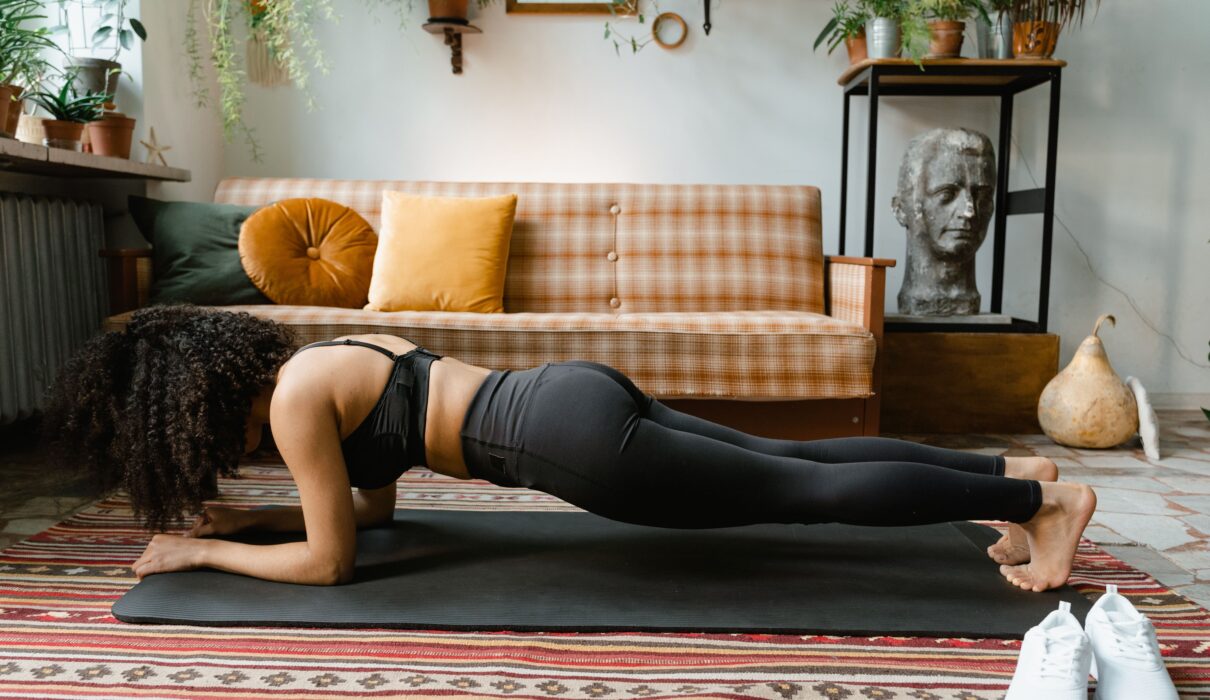
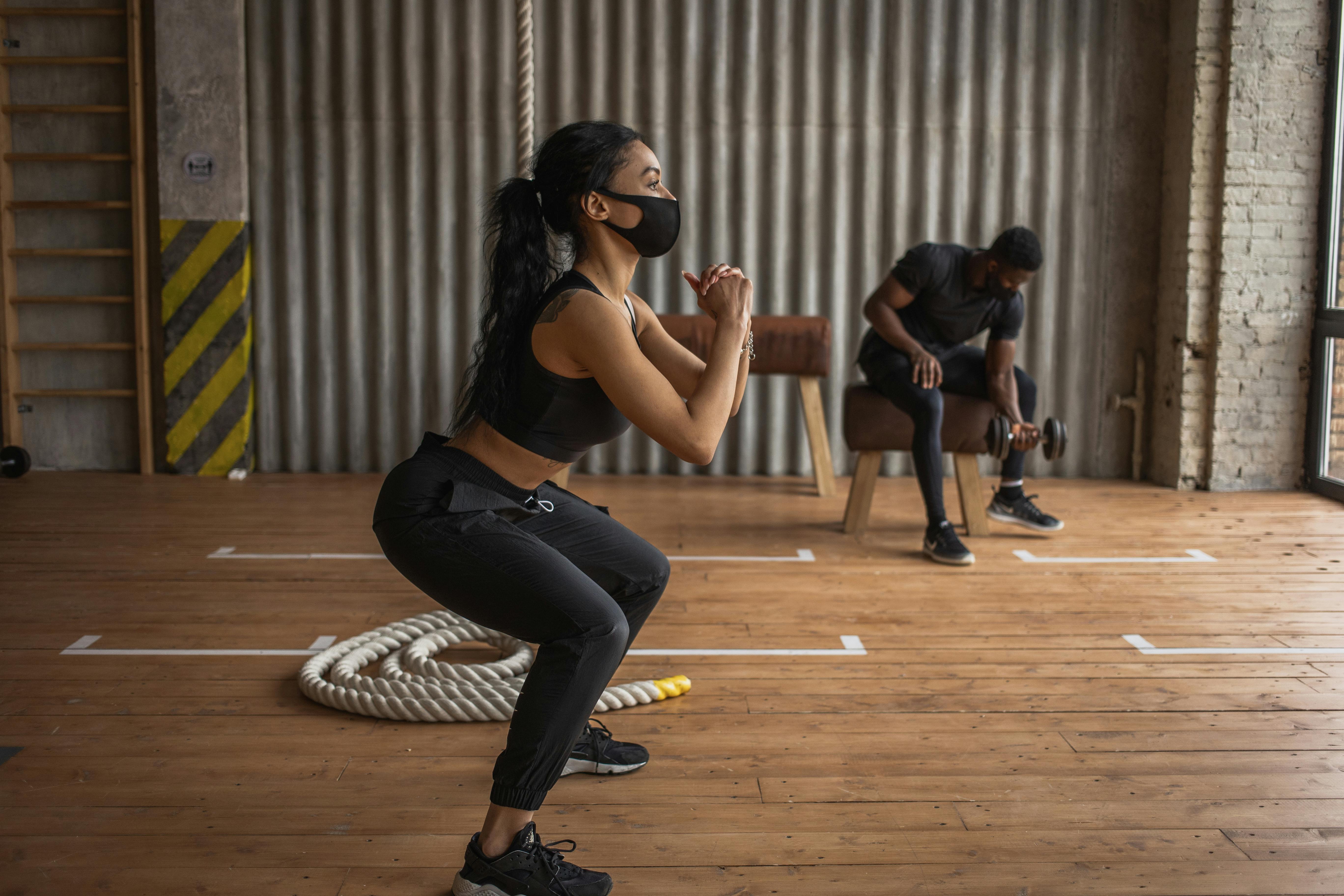
Work through bodyweight squats, alternating reverse lunges, glute bridges, and a steady plank hold.Want to focus more on your midsection? Our core workouts for beginners guide dives deeper into building core strength.

Round 2: Upper body and push
Move through push-ups, using knee push-ups if you are a beginner, tricep dips using a chair or step, shoulder taps, and superman holds.
Round 3: Full-body conditioning
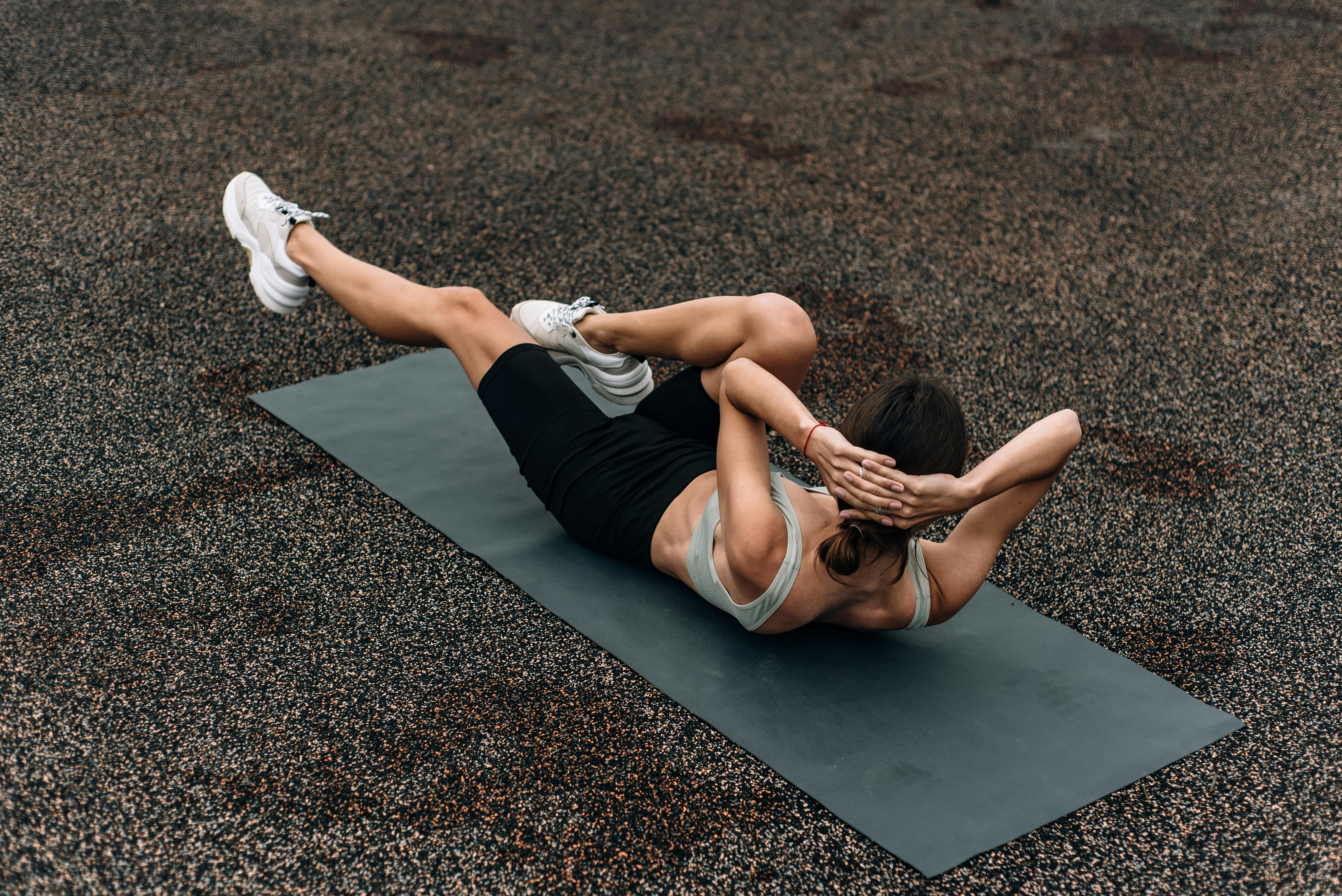
Finish with mountain climbers, jump squats or regular squats for a low-impact option, bicycle crunches, and bear crawl holds. If forty seconds feels too intense at first, start with twenty to thirty seconds of work and build up. Progress should feel challenging, not overwhelming.
Beginner versus intermediate modifications
How should the moves change as you get stronger?
Push-ups can start as knee push-ups for beginners and progress to standard push-ups at the intermediate level. Squats can start as regular bodyweight squats and progress to jump squats. A plank hold can start at twenty seconds and build up to forty seconds or more. Lunges can start as static lunges and progress to alternating jump lunges, and mountain climbers can start at a slow, controlled pace before speeding up as your fitness improves.
Cool-Down and Stretching
Spend the last five minutes cooling down. This helps lower your heart rate gradually and improves flexibility over time. Hold each stretch for twenty to thirty seconds without bouncing.
Move through a standing hamstring stretch, a quad stretch, child’s pose, a chest opener stretch, and one minute of deep breathing. Stretching after your workout, when muscles are warm, is more effective than stretching cold muscles before exercise.
Common Mistakes to Avoid
Even a simple bodyweight workout can go wrong if you rush through it. Skipping the warm-up raises your risk of strains and pulls. Using bad form just to move faster works against you, since quality reps beat rushed reps every time. Holding your breath during effort is a common habit worth correcting, so breathe steadily through each movement. Ignoring pain signals is another mistake to avoid, since mild fatigue is normal but sharp pain is not. Finally, doing too much too soon can set you back, so progress gradually instead of maxing out on day one.
If you have a pre-existing injury, joint condition, or chronic illness, talk to a doctor or physical therapist before starting any new exercise program. This is especially important if you are returning to exercise after a long break.
Tips to Stay Consistent
Consistency beats intensity when it comes to long-term results. Schedule your workout like an appointment you cannot miss, and track your progress with a simple notebook or app. Pairing your workout with a habit you already do, such as right after brushing your teeth, makes it easier to remember. Celebrate small wins, like completing a full round without stopping, and rest at least one day between intense sessions to let your muscles recover.
According to the Centers for Disease Control and Prevention, adults should aim for at least 150 minutes of moderate-intensity activity per week, along with muscle-strengthening activities on two or more days. This 30-minute bodyweight workout, done three to four times a week, fits comfortably within that guideline.